The Dreamlike Language of Apocalypse
By reading worlds of relentless darkness, repeatedly made new through the language of dreams and fables, we can maybe more deeply access empathy and hope for the world we’re living in.

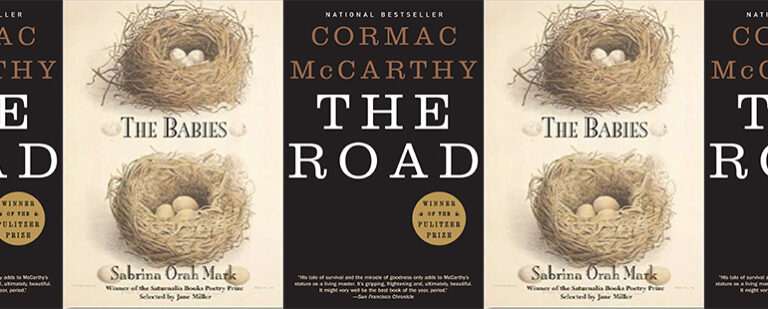
By reading worlds of relentless darkness, repeatedly made new through the language of dreams and fables, we can maybe more deeply access empathy and hope for the world we’re living in.

The narrator of Emily Temple’s debut novel, Olivia, holds a deep desire to belong, to be loved, and to be touched—a desire that trumps her regard for safety, leading her to even give up her will to find her missing father.
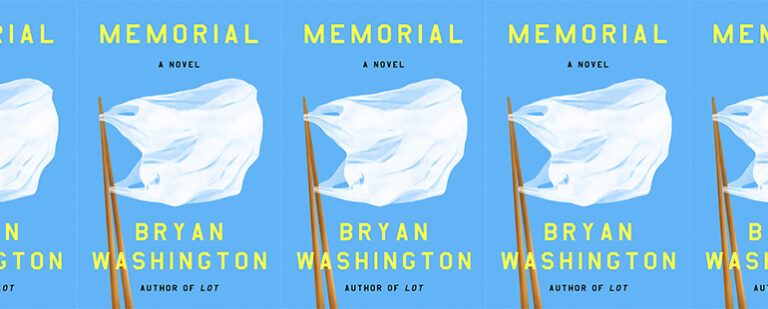
Early on in Washington’s new novel, Benson asks his partner’s mother for a story about her son. She says that stories are heirlooms, explaining that they are “a personal thing…You don’t ask for heirlooms. They’re just given to you.” She tells Benson this while she is cooking. But by cooking, she is sharing an heirloom.

Guzel Yakhina’s 2015 novel is both a satisfying work of historical fiction as well as a moving portrait of a difficult period. Its most surprising element is also its most paradoxical. Perhaps in spite of Yakhina’s intentions, it posits a woman whose life is expanded and even enriched while being repressed by the state.
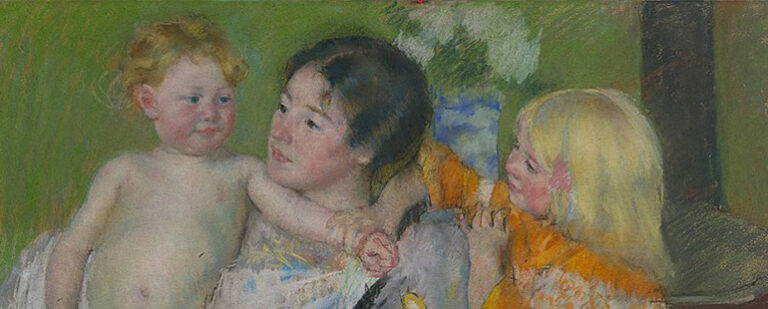
In the conversations Sarah Menkedick has with new mothers, it becomes clear that the relationship between motherhood and fear is a cycle propelled by isolation and shame. Menkedick’s book itself, though, offers a sort of ad-hoc community of and for mothers.
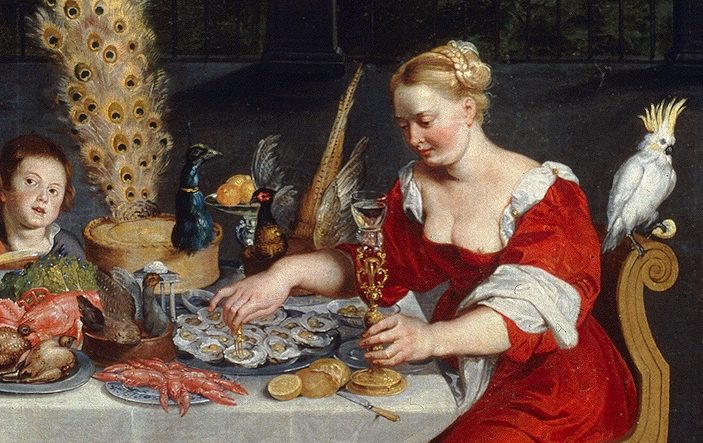
The characters of Lara Williams’ and Margaret Atwood’s novels learn, eventually, to treat their love of food as a gift.
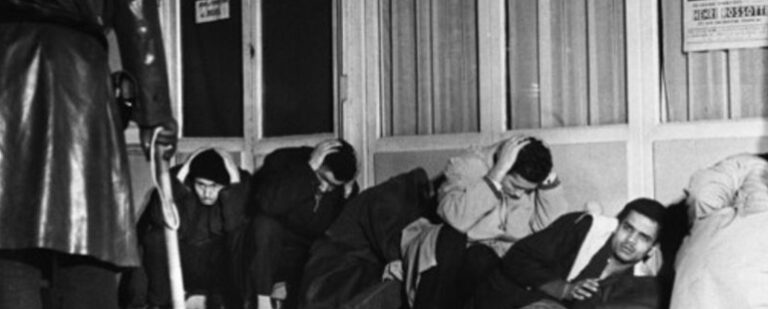
While there is much to improve in how we support each other at home and across the globe, Smith’s 1963 novel, which documents the 1961 police massacre of Algerian protestors in Paris, reminds us of the immense power in solidarity and our duty to rise up for justice and freedom.
Much like 2018’s pop feminist anthems, the speaker of Louise Glück’s “Mock Orange” makes an analogy between the scent of mock orange flowers and the “false union” of sexual intercourse to suggest that her true sexual experiences reflect objectification and domination rather than genuine pleasure.
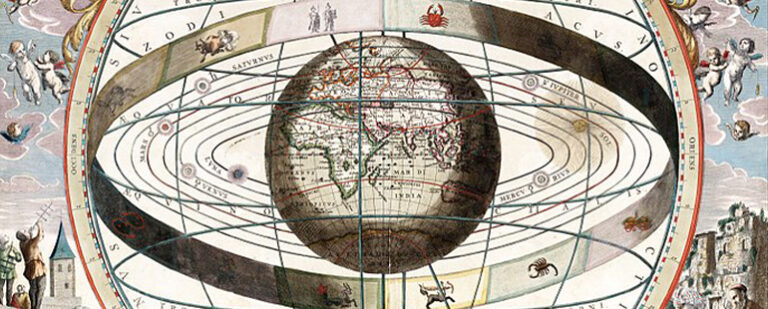
In the bigger picture of the “life story,” there appear to be no fixed beginnings or endings—only changes.
No products in the cart.