The Structure of Trauma
What is interesting about trauma narratives, despite their abundance, is how writers shape them, allowing their stories to transcend the act of recounting.


What is interesting about trauma narratives, despite their abundance, is how writers shape them, allowing their stories to transcend the act of recounting.
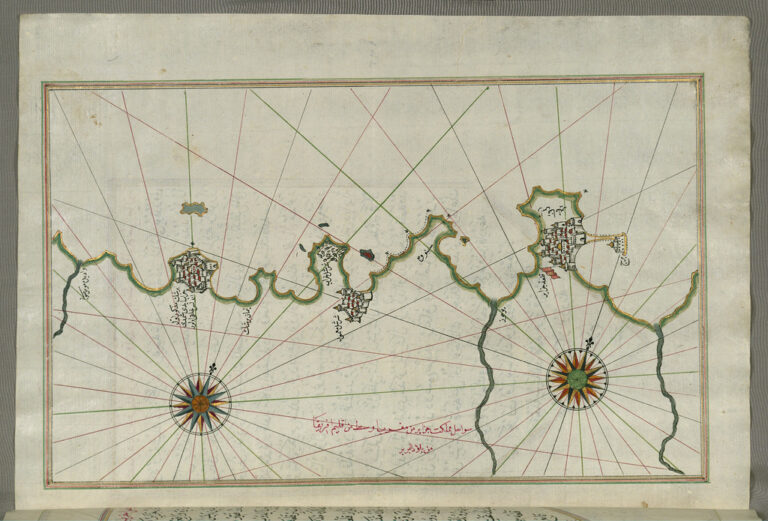
Djebar’s compelling 1985 novel is not only a crucial historical contribution from the Algerian perspective, but one that comes from an intersectional lens, giving voice to the often silenced and overlooked participation of women in struggles for independence and making space for these histories in the current global conversation.
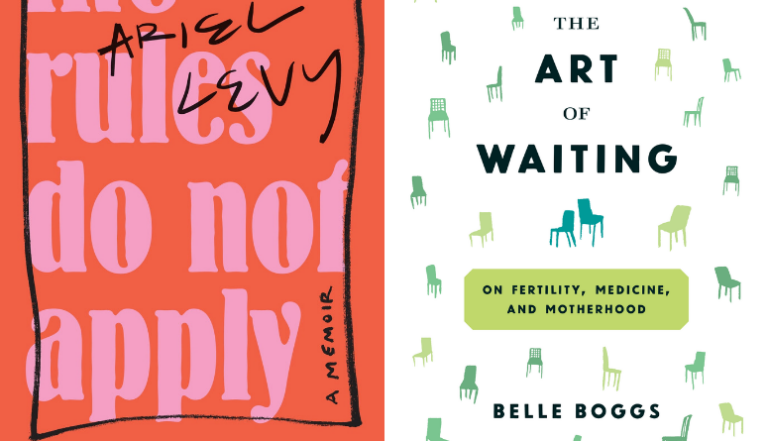
Where are all the books about miscarriage and assisted reproduction, about experiencing the loss of something you never had to begin with?
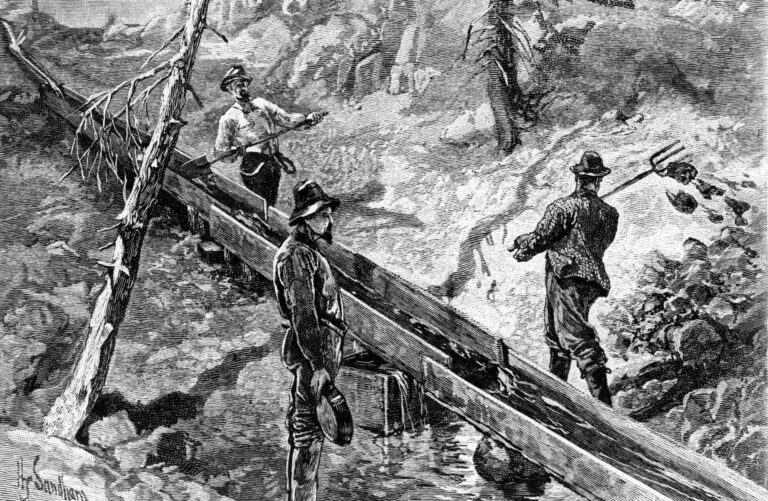
Hernán Díaz returns to the California Gold Rush in his 2017 novel, a finalist for the Pulitzer Prize. He shows an America in transition, fixated on the promise of prosperity, power, and property.
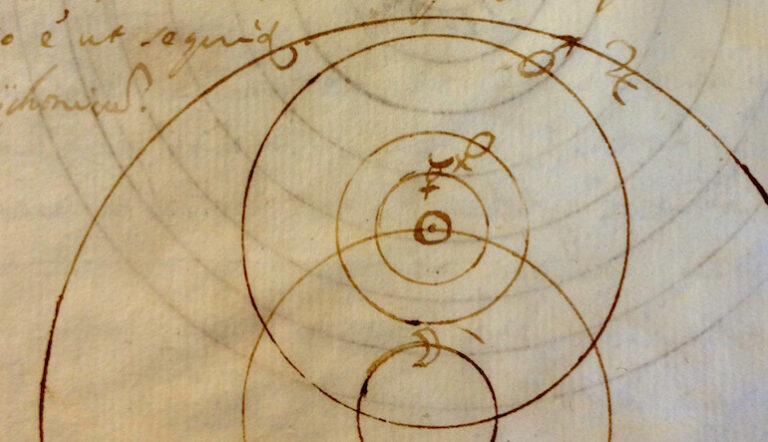
Sally Wen Mao’s new collection repeatedly pushes against the notion that a state of being “othered” is necessarily a fixed point of marginalization.
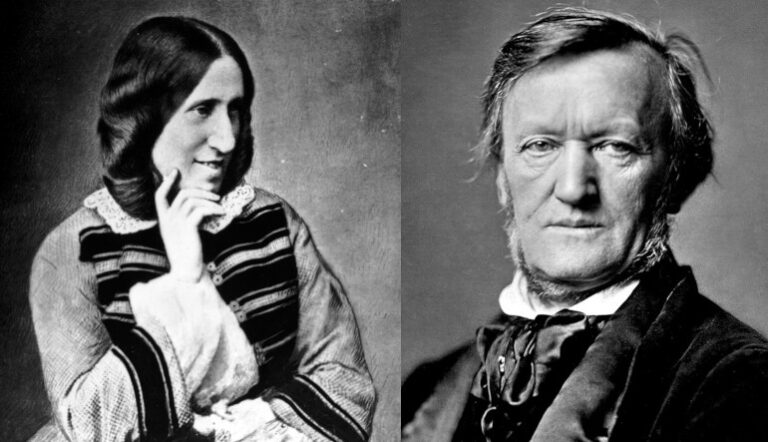
From her earliest encounters with Richard Wagner, George Eliot engaged critically with his work. She praised his mythological themes, his use of leitmotif, and his vision for the future of opera, but admitted to finding his works overlong, and her own musical ear ill-tuned to finding pleasure in his music.
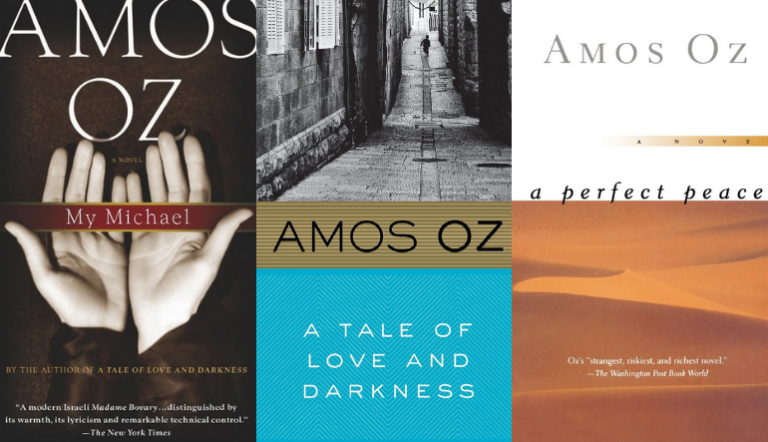
Reading and rereading Amos Oz’s work, what strikes me each time is the treasure horde of gimlet-eyed descriptions waiting to be unlocked in every book.

Reading with an eye for ekphrasis is reading for moments of productive trouble, spaces where the verbal and the visual clash, each vying for control over a story’s narrative. In these moments of contact, the sublimated desires and anxieties of the characters or narratives often make themselves known.
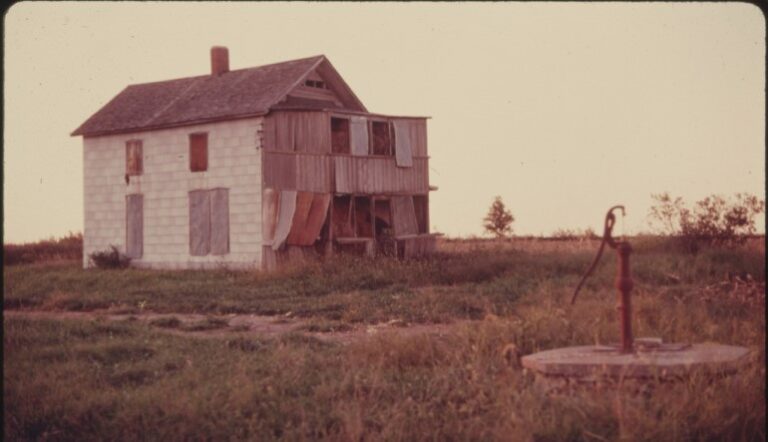
The house is often used as a symbol of security in literature, and a ruined home can speak to what a given writer thinks we need protection from. Both the threats to security, and the emotional impact of a literary ruin shift with the writer and her cultural moment.
No products in the cart.