The Unspeakable
Yiyun Li’s new novel uses conversation as the mode to better explore her narrator’s grief.


Yiyun Li’s new novel uses conversation as the mode to better explore her narrator’s grief.
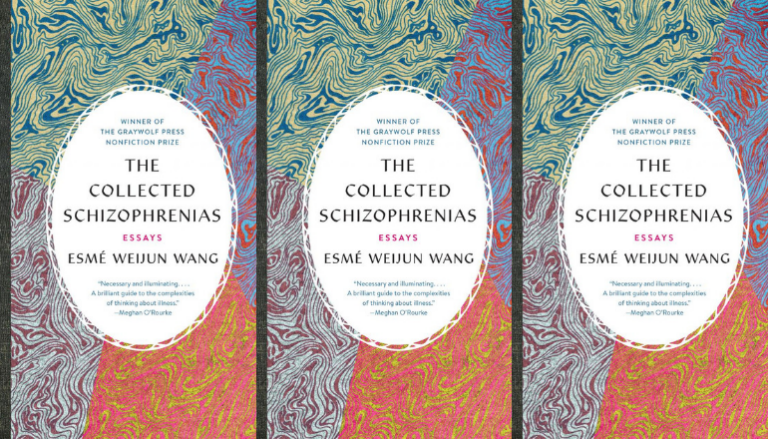
Wang, who was diagnosed with schizoaffective disorder in college, after earlier misdiagnoses, debunks stigmas and stereotypes about schizophrenia in her new collection of essays, and provides essential information about a spectrum disorder long misunderstood.
Daisy Johnson’s new retelling of the Oedipus myth molds the story’s original questions into new shapes: What does fear look like? What produces it?

In wondering why victims stay in abusive relationships, people often ignore the more pressing question: why don’t abusers stop abusing?
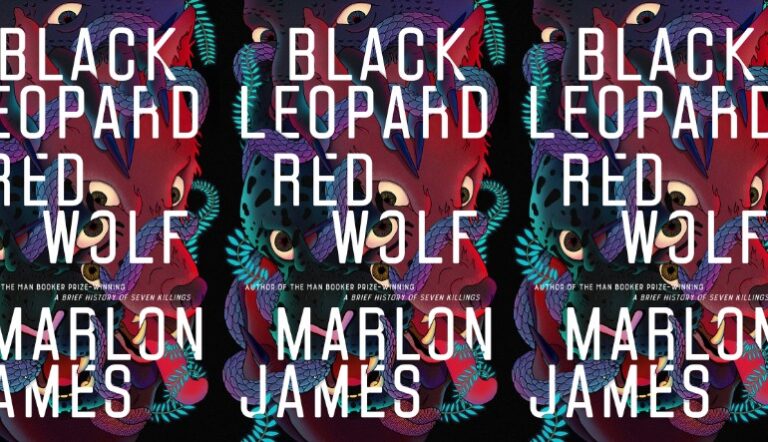
From a city ensconced in massive treetops where no children are ever born, to a black market for human remains literally underground, Marlon James leads readers on a journey through an Africa western fantasy has long ignored.

Silence is, necessarily, a fact of life for Brand, the protagonist of Stewart O’Nan’s 2016 novel, who has emigrated illegally to Palestine from the Soviet Union where he survived Gulag camps, and who has since become a member of the Haganah, a Jewish organization working to liberate Palestine from Britain.
There is something incredibly patronizing about “readability” being the exclusive domain of the “common reader,” and about the way it continues to inform aspects of literary criticism.
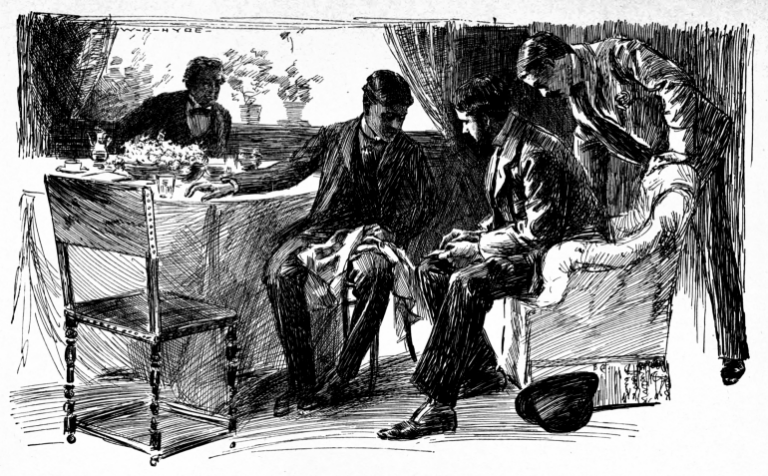
How difficult is it for a story to move continents? One of Sherlock Holmes’ early Chinese translators, Cheng Xiaoqing, decided to find out, transplanting Sherlock Holmes from the foggy streets of nineteenth century London to his own Republic-era Shanghai.
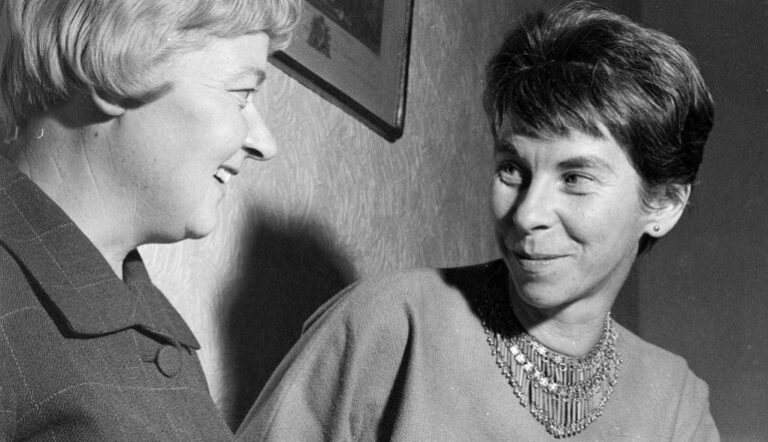
Jansson’s 1989 novel serves as a particularly poignant antithesis of the “loner artist” narrative, dealing instead with a loving partnership that, rather than getting in the way of artistic work, lifts and expands it.
No products in the cart.