Philomath and Lyric Knowledge
Do the people of Devon Walker-Figueroa’s 2020 collection love to learn? Do we watch them learn in change while reading this book, and do we, in the process of reading these poems, learn anything?

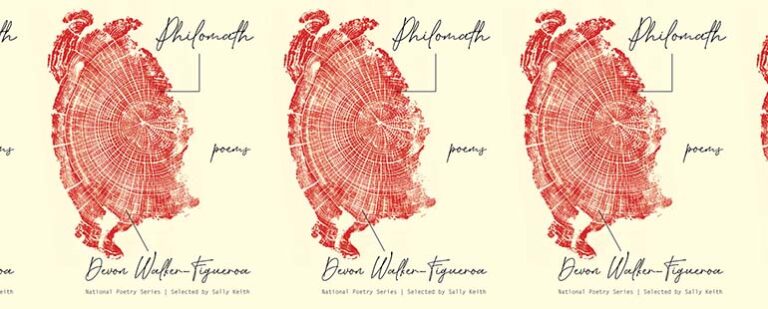
Do the people of Devon Walker-Figueroa’s 2020 collection love to learn? Do we watch them learn in change while reading this book, and do we, in the process of reading these poems, learn anything?

Jesmyn Ward connects her Black characters to climate change, present in the shape of Hurricane Katrina, by using the sound of the storm to explore their lived experience. It is the oral tradition alive on the page.
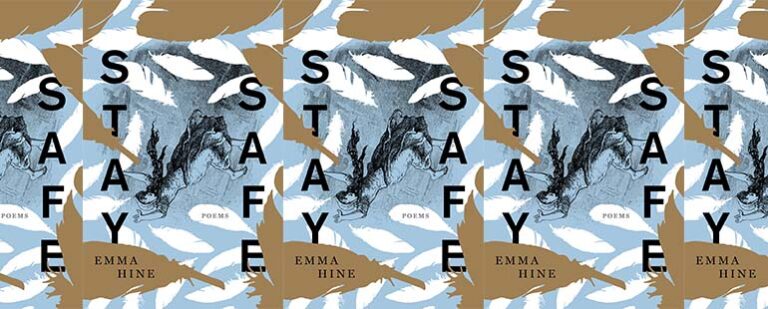
Emma Hine’s debut collection of poetry, out earlier this year, is a book focused on three sisters that behaves like a constellation surrounded by an ever-blackening sky.
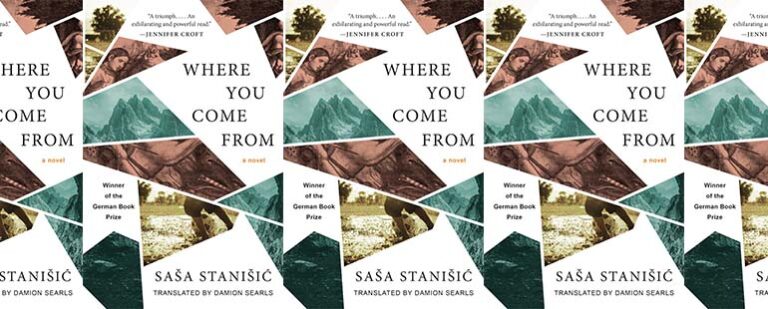
In Saša Stanišić’s impressive and touching novel, digressions are the journey, as we too move through make-your-own-adventure lives, in which where you are from, and even where you are going, are of transient import.
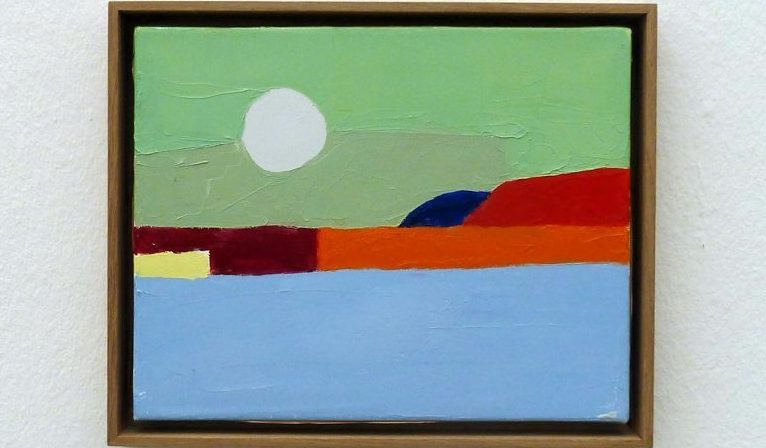
Adnan’s rejection of boundaries of time, geography, and standard logic echoes the very nature of two of her works: one written in English, one translated from French, one intentionally written as a collection, one pulled together from many years of disparate writing.
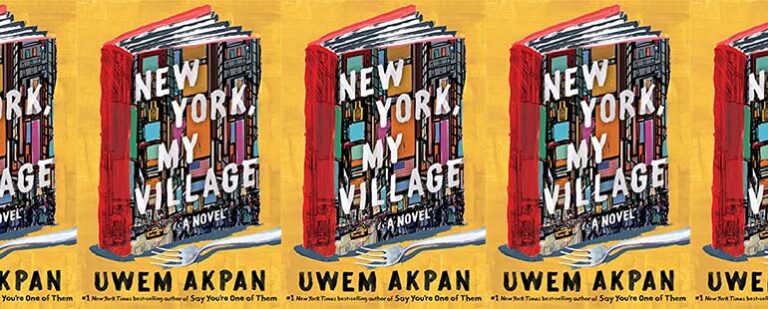
Uwem Akpan’s story of an Annang narrator working in the “white bubble” of New York publishing is a story about storytelling—and not just the stories that make it past the gatekeepers to publication, but also the stories that are passed along in the conversations, letters, phone calls, photographs, and videos.
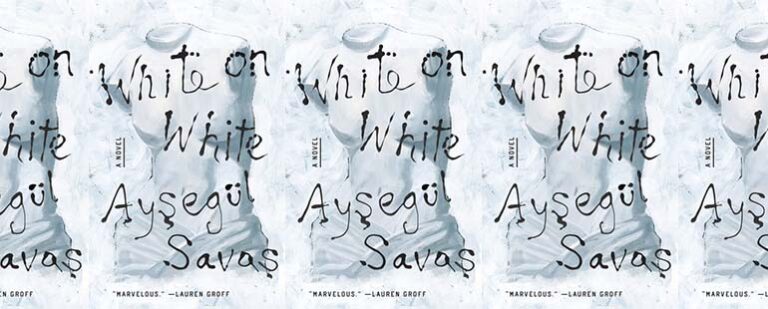
In her second novel, Ayşegül Savaş goes deep into the human experience, beautiful and fraught, delivering a renewed perception of what it means to be a person among other people.
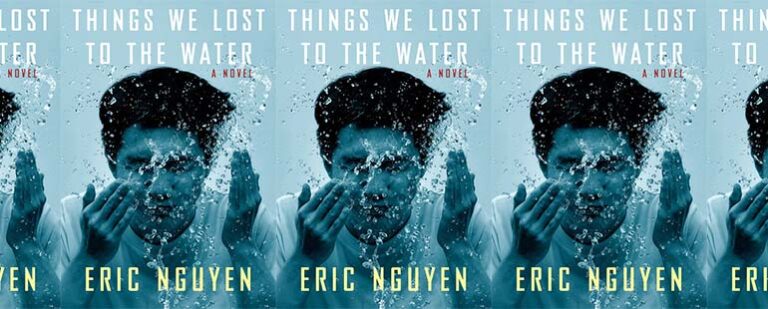
So many refugees who are separated from their homes by seas and oceans and rivers, gravitate towards water; so many of them look up at the stars and wonder about the stories we don’t know. Reading Eric Nguyen’s novel, I think about how water can both separate you from and be your home.

Hanif Abdurraqib bases much of what he writes on the things he loves, whether that be music or literature, basketball or sneakers. It’s through his love that he is able to reveal insights into artists and performers themselves, as well as the way that history links to the present—both in his own life and in the wider world.
No products in the cart.