Finding Home in Thirii Myo Kyaw Myint’s Names for Light
Thirii Myo Kyaw Myint’s new memoir is a poetic love letter to the people who make us who we are, and a reminder of the difficulty some face to find one’s way home.

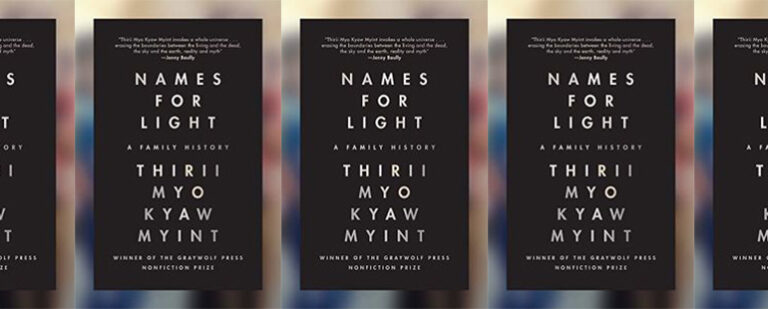
Thirii Myo Kyaw Myint’s new memoir is a poetic love letter to the people who make us who we are, and a reminder of the difficulty some face to find one’s way home.

“I recalled Jorge Luis Borges’s ‘Tlön, Uqbar, Orbis Tertius’ when trying to make sense of my daughter’s intellectual disability as defined by the Diagnostic and Statistical Manual of Mental Disorders. Like Orbis Tertius, the DSM seemed to me like a product of a secret society gradually working to shape a reality of their own.”
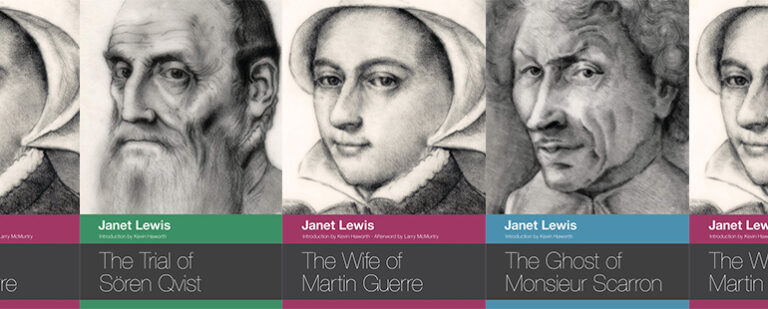
There’s no question that Janet Lewis’s novels represent major contributions to the midcentury canon that remain astonishingly unheralded, perhaps in large part due to the difficulty of pinning them down.
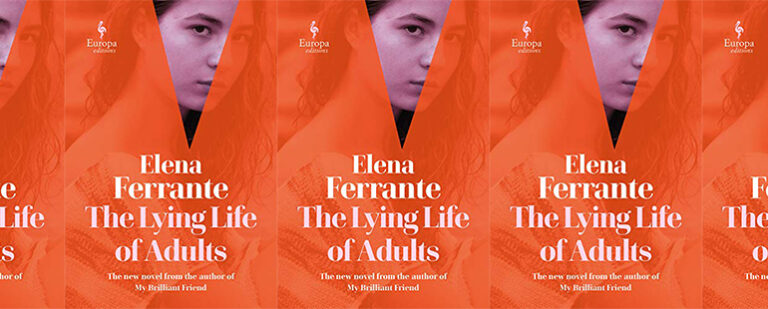
Elena Ferrante often uses objects in her fiction to explore relationships and time, but she also uses them as objective correlatives; while the bracelet in her 2019 novel serves as a way to move the reader through the plot, it is also clearly identified as an object, one that carries symbolic meaning.

Saïd Sayrafiezadeh’s new story collection offers a reality uncanny to ours today.

Vincent the dead cat is a wake-up call in Assaf Schurr’s ten-year-old novel, much like a god or a guiding hand pushing the plot along. He speaks inconvenient truths and appears to be omniscient, at least when it comes to the secret lives of the book’s characters.

From the beginning to the end of the novel, Luiz Ruffato gives us a moment-by-moment account of his protagonist’s activities, thoughts, and feelings—a stream-of-consciousness narrative in which, as the novel progresses, the character’s memories of the past become more and more prominent.
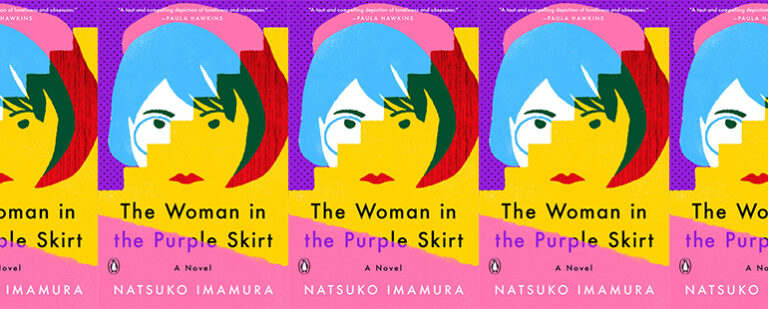
Natsuko Imamura’s 2019 novel reads at first glance as a fairly straightforward psychological thriller, with voyeurism is at its center. Imamura, however, also explores a deeper psychological entanglement, stemming from a desire to connect when social interaction feels like an insurmountable barrier.
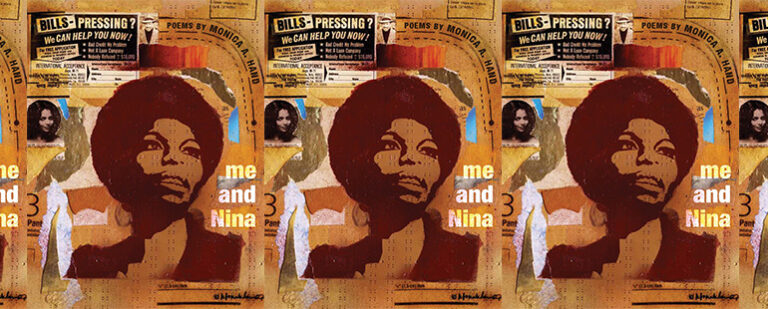
Monica A. Hand’s 2012 poetry collection is a polyphonic celebration of the multidimensionality of the self. The musician Nina Simone’s echoing impact and the poet’s own life as an artist and Black woman operate as countermelodies, playing across many emotional registers.
No products in the cart.