We Play Ourselves by Jen Silverman
Silverman’s debut novel is not only a story about how all-consuming artistic ambition can be, but also a poignant portrait of how much an artist can learn to love her work.

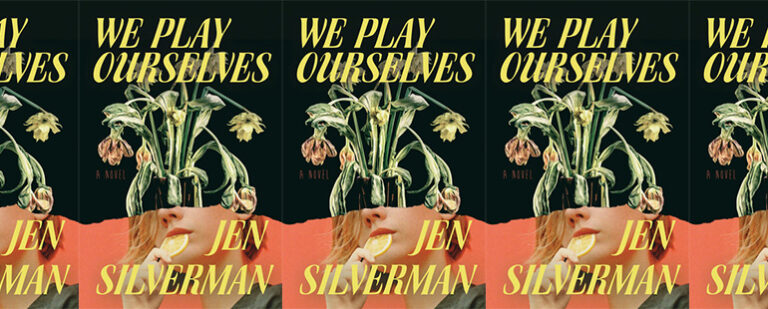
Silverman’s debut novel is not only a story about how all-consuming artistic ambition can be, but also a poignant portrait of how much an artist can learn to love her work.
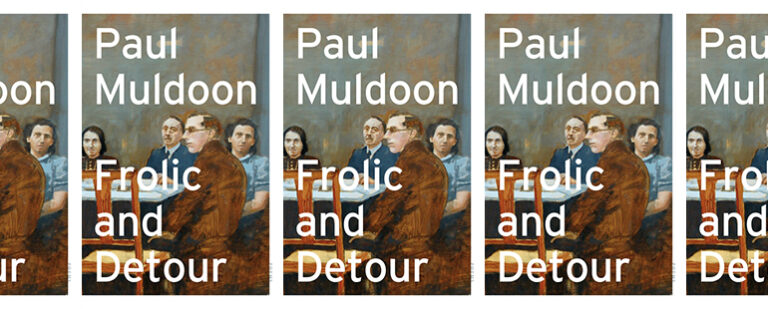
After almost fifty years of his poetry, Muldoon has prepared his readers for a journey not through our own predictable circles—these syntactical maps rule out one’s own choice between right or left—but to arrive somewhere comfortably unexpected.
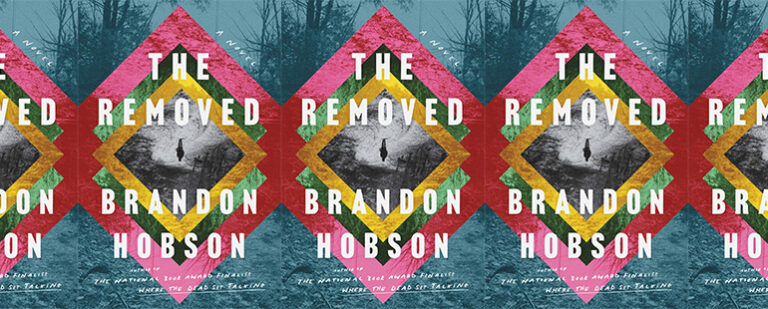
Hobson’s latest novel is a brilliant, artfully crafted story of Native heritage, family dynamics, and ancestral hope.
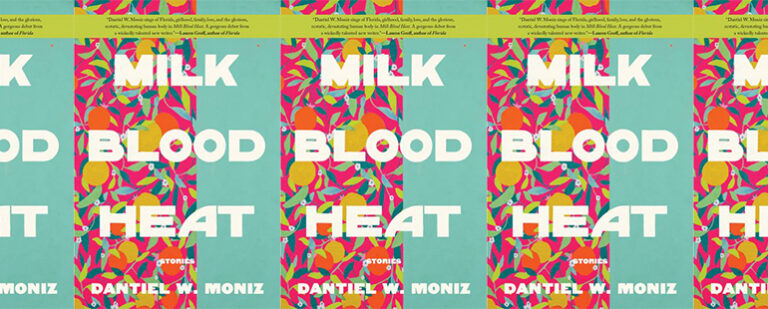
In this debut story collection, the reader feels the story in their body as they read; Moniz makes us look directly at the source of trauma in order to share the pain.
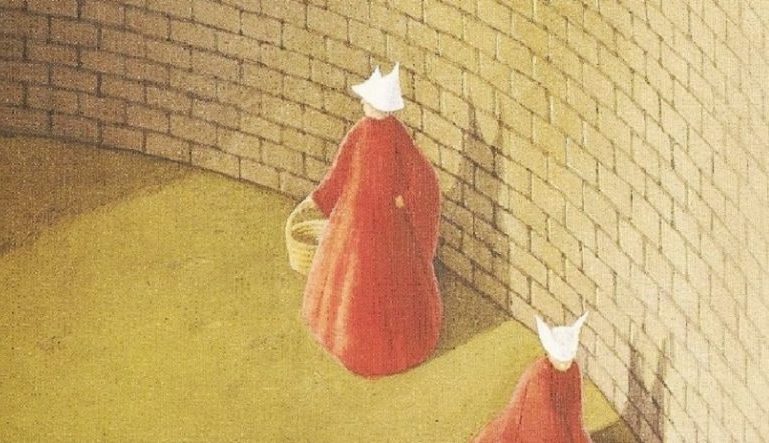
While many have praised the book’s feminist themes, none have noticed that the Hulu adaptation highlights Atwood’s special warning intended for women writers, historians, artists, and documentarians. In a patriarchal society turned radical and violent, a woman’s voice will be stifled by taking away the written word.
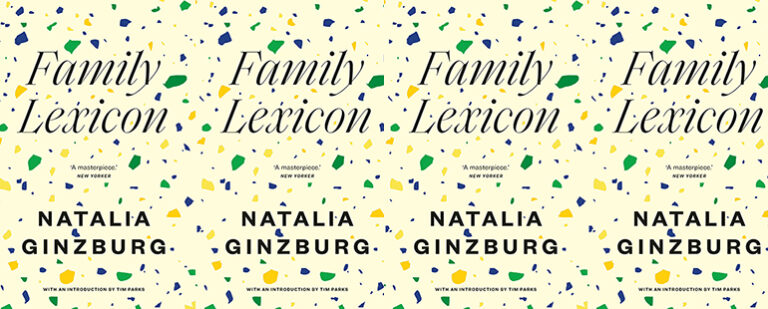
Since reading Natalia Ginzburg’s 1963 novel last year, I have wanted to identify and investigate my own family lexicon, the basis of our unity in the pressure of our semi-quarantine in a two-bedroom Brooklyn apartment with no yard and not much of a view.
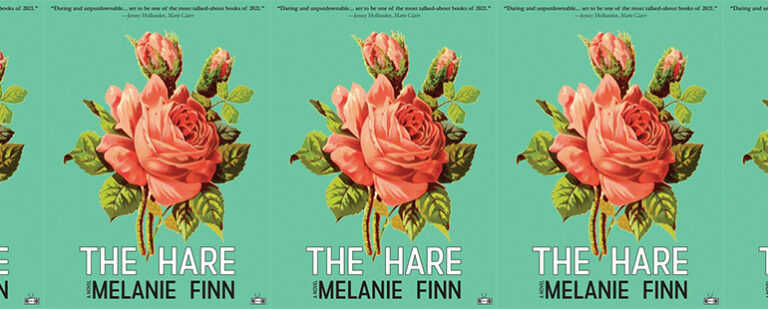
Finn gives us an important, comprehensive picture of the stages of a woman’s learning, suggesting that, over time, teachers will be rejected, new ones sought, and the student might herself become a teacher.
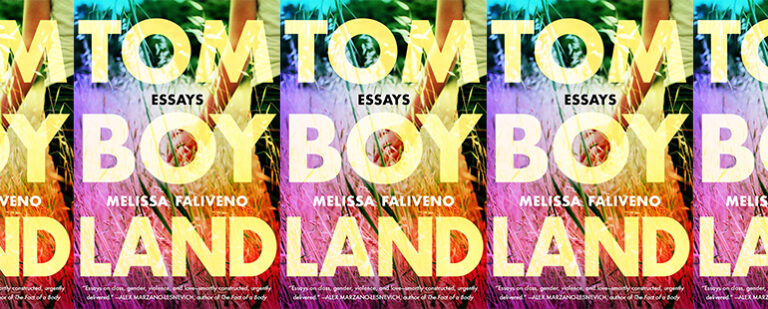
Melissa Faliveno’s 2020 essay collection’s genius, and tenderness, comes from a deep understanding of the language of home: the haunting, often unacknowledged pull place has on us, and how leaning towards and pushing against this pull shapes our identities.
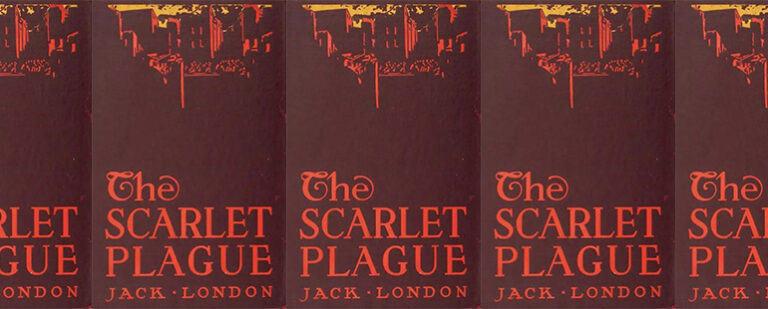
London’s book is impressive not just for its correctly intuited factual predictions, but also for those related to the way the inequities of his world would only grow exponentially as its population did, and the way those inequities would define the events that took place during and after the plague.
No products in the cart.