True Love by Sarah Gerard
Gerard’s novel is a fascinating read for anyone looking to understand the world we’ll inhabit when the smoke of the Trump era clears—in particular, the world that’s being left to young people.


Gerard’s novel is a fascinating read for anyone looking to understand the world we’ll inhabit when the smoke of the Trump era clears—in particular, the world that’s being left to young people.
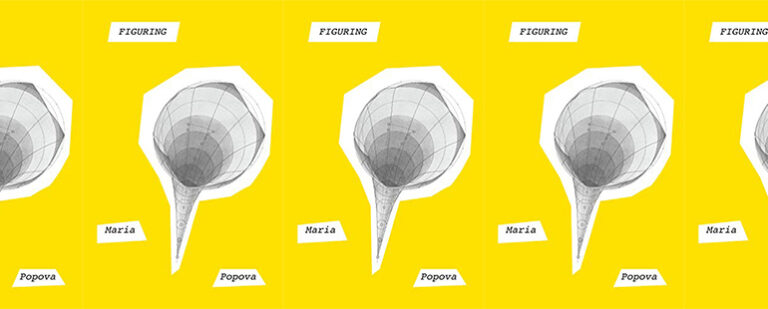
It almost does not matter what someone does or what happens to them. Rather, what matters is what someone thinks they have experienced. As Popova suggests, the true changes in our lives are cognitive as much as they are biographical—or, rather, if they are biographically significant, it is only because they are cognitively so.
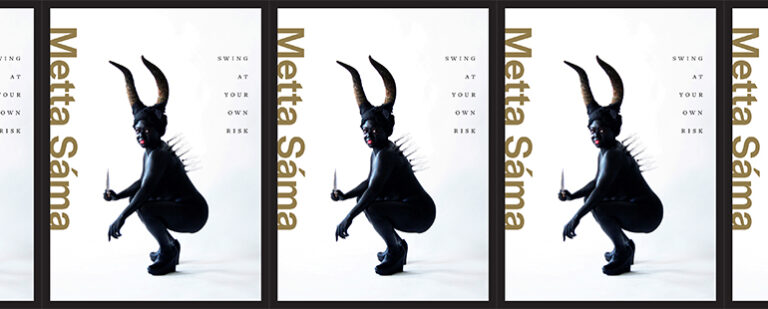
Deeply rooted in Black feminist discourse, Metta Sáma’s second full-length book of poetry is part of a line of historical poetics—part documentary, part interpretative—that refuses to distinguish between the horrors of the past and their ongoing inflections in the present.
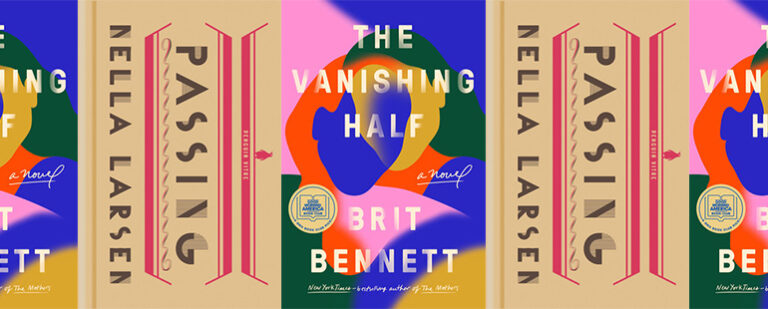
Brit Bennett’s recently published novel and Nella Larsen’s classic reveal the danger—and loneliness—of a black woman passing for white in the early 1900s and the 1990s. Passing affords the freedoms and opportunities for reinvention that whiteness allows for, but this comes at a terrible cost.
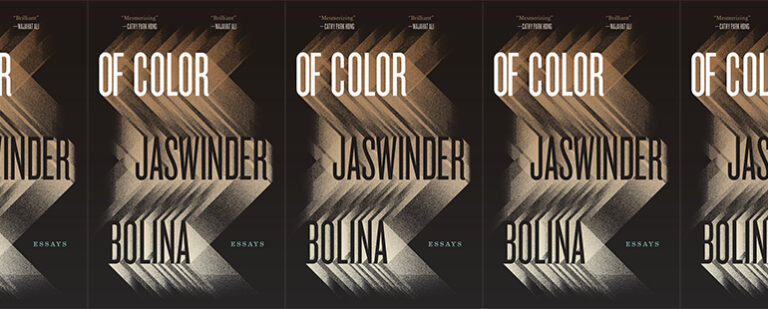
Bolina’s collection explores the complicated ground of being “of color,” being an immigrant, being American, and being human with an admirable fluency. He entrusts us with an honest conversation—one that we should all be having with one other.
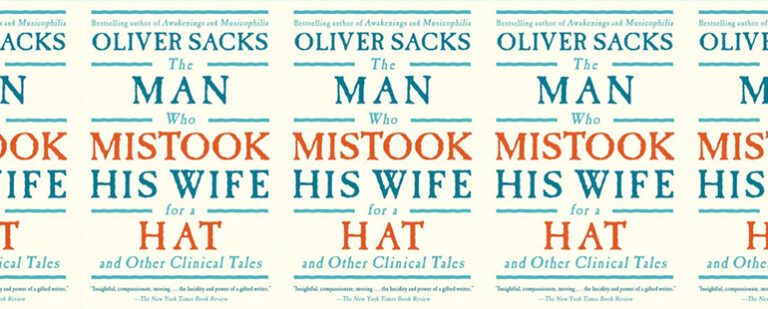
When telling stories of his patients, Oliver Sacks is clinical while also remaining deeply compassionate in his approach. His dual perspective allows him to see both patient and person, and treatment is never the end of the story.
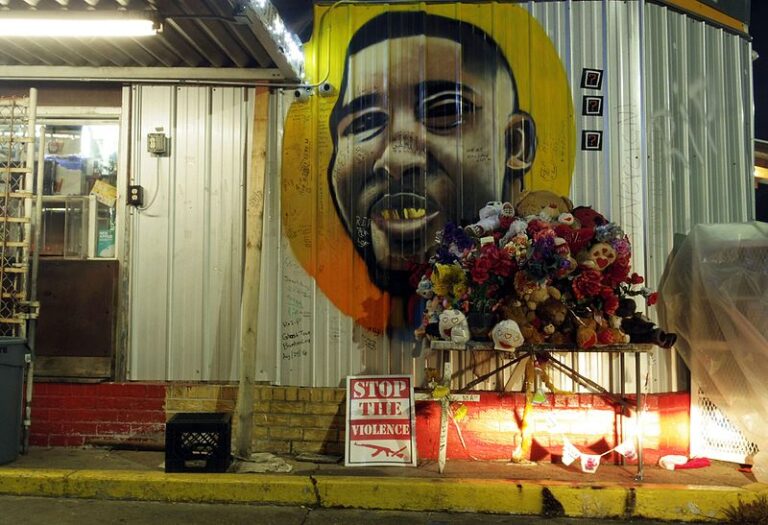
A home doesn’t feel like a home when there are structures built to immortalize those who dehumanized entire populaces. But it feels a little more like home when we’re marching, when we fill spaces with our bodies, our friends, our loves, our strangers, shouting out the names of the disappeared.

Ha is invested not in the myth itself but in what it helps us see. In her hands, the fairy-tale works as a photo filter, bringing into clearer relief her actual subject: the horrors of daily contemporary life.
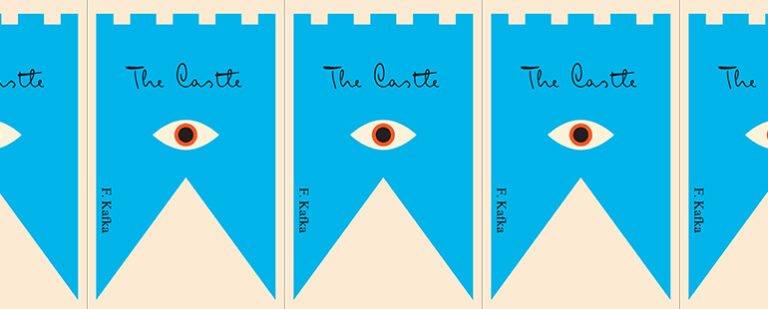
I remember the books I brought to the sober home. I started talking to the other residents about them, even though I’d never opened them up. I would say this or that, something arbitrary or vague. It was intoxicating to displace myself, to wash myself with fictions I couldn’t claim sincerely.
No products in the cart.