How Can We Be Happy in a World Full of Suffering?
Olivia Laing, in her new novel, writes of a feeling that resonates: “She felt blank. She felt blank and mildly hysterical, she was itching to do something but it wasn’t clear what.”


Olivia Laing, in her new novel, writes of a feeling that resonates: “She felt blank. She felt blank and mildly hysterical, she was itching to do something but it wasn’t clear what.”
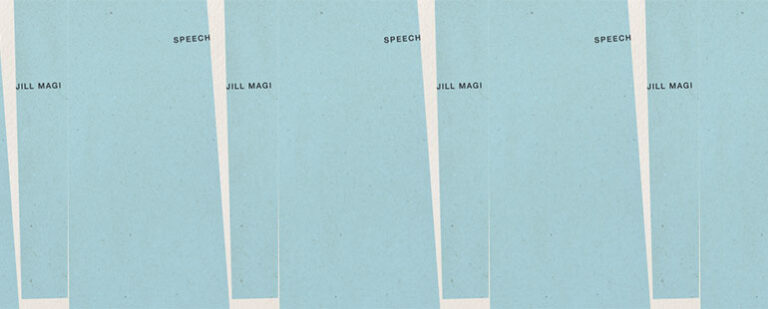
In Magi’s book-length poem, which revives a cosmopolitan way of being that has gone out favor, textures of physical borders are examined as speech while actual speeches are recovered from books and archives to reveal ways we might begin to comprehend the borders that entrap us.
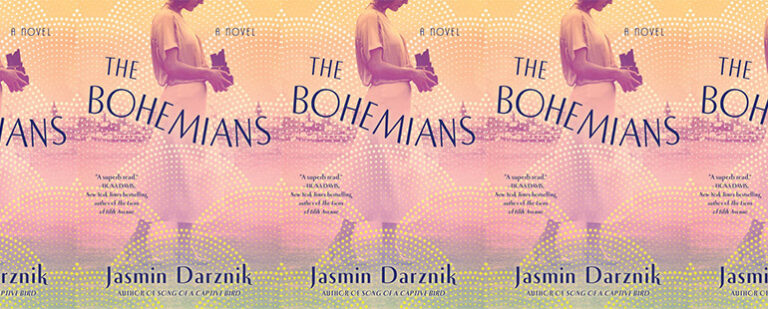
Jasmin Darznik’s second novel, which imagines the early adulthood of the famous photographer Dorothea Lange, tracks the revelation of Lange’s artistic ethos: photography, she comes to accept, is as much about the seer as it is about the seen.
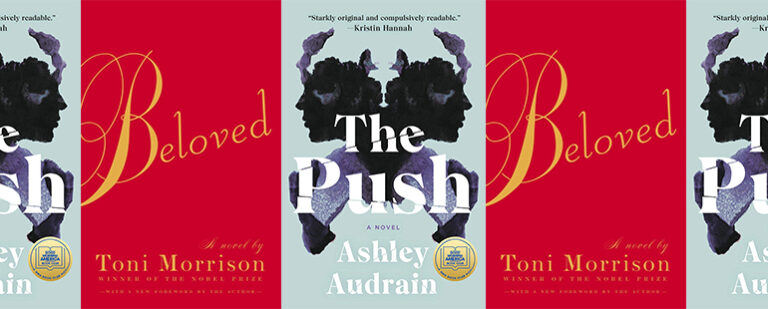
Ashley Audrain and Toni Morrison use the maternal gothic form, which dwells on the threats posed both to and by children and mothers, upending idyllic, peaceful visions of maternal life, to explore how mothers are devalued and isolated by white, patriarchal power structures.
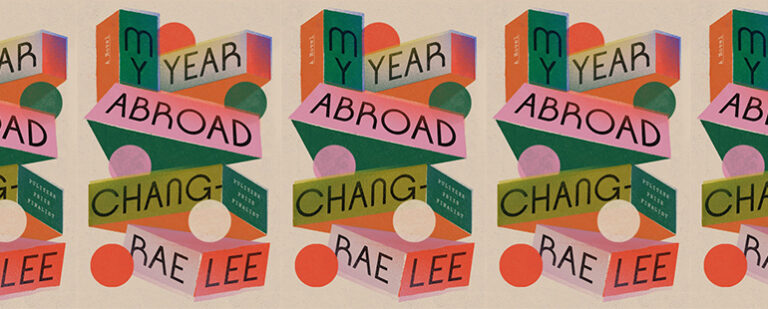
Chang-rae Lee’s latest novel illuminates the complex economic and cultural exchange between East and West through humorous and often grotesque scenes that question norms of race, money, privilege, and consent.
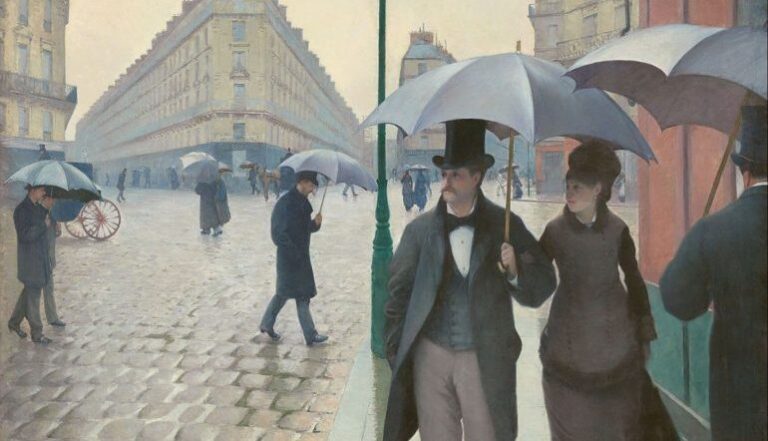
We speak of things like ships, cities, and even the earth itself as female, yet men are so often the ones confidently plodding through these spaces, conquering them as they would a female body.
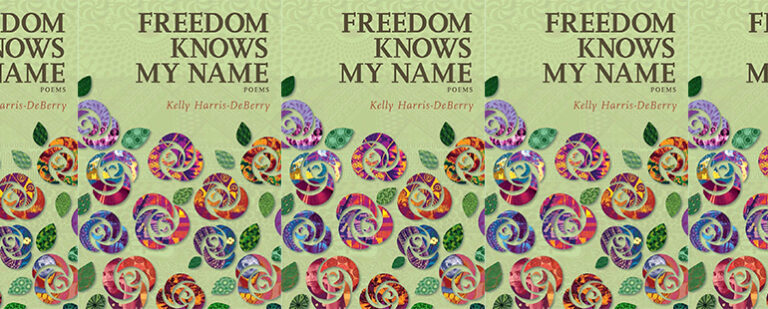
Harris-DeBerry writes about freedom like someone who has felt the word in her mouth for years, felt the shape and sound of it, and has used the instruments of her voice and her page to translate it into something we can all understand.
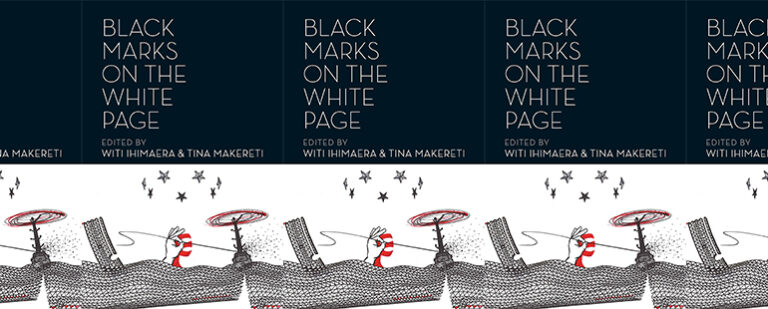
This Asian and Pacific Islander Heritage month, Julia Shiota turns to Witi Ihimaera and Tina Makereti’s 2017 anthology, which makes clear that those who identify as Pacific Islander come from a wide array of places and experiences.
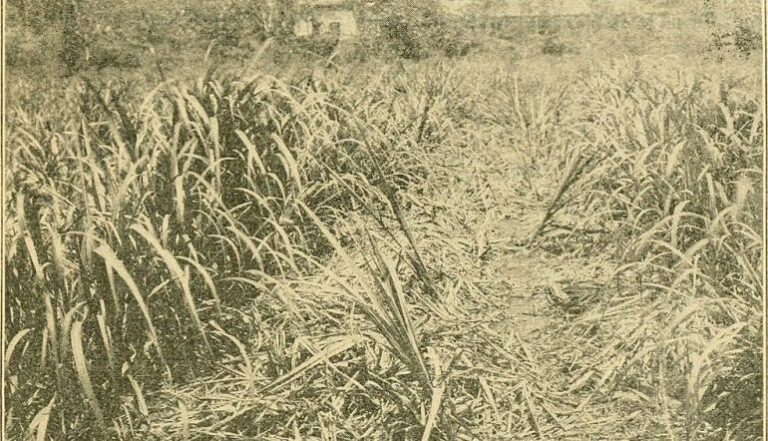
The image, from “Blood-Burning Moon,” of cane becoming only more pungent and pervasive after being burned (“the scent of cane came from the copper pan and drenched the forest and the hill that sloped to factory town”) is a fitting metaphor for Toomer’s legacy.
No products in the cart.