Weather by Jenny Offill
Jenny Offill’s new novel is collection of portraits, of individual truths and national anguish, curated by a quietly unravelling woman.

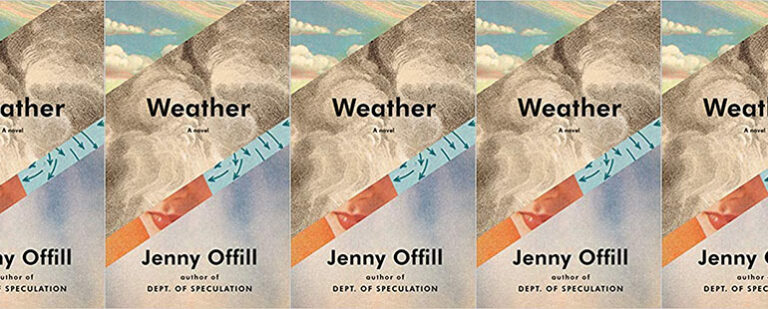
Jenny Offill’s new novel is collection of portraits, of individual truths and national anguish, curated by a quietly unravelling woman.
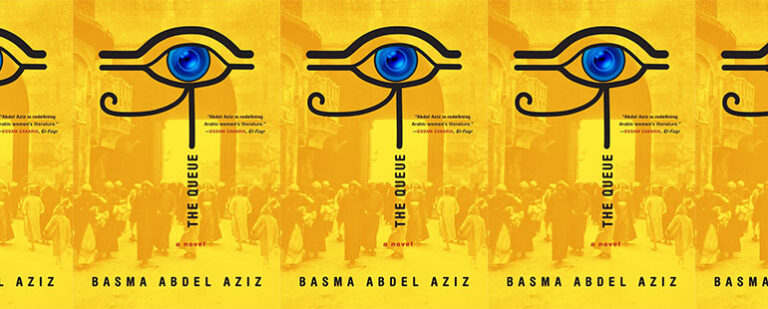
As panopticon-like tactics of controlling certain populations become increasingly widespread, Abdel Aziz’s debut novel gives us a peek into the authoritarian future to which such surveillance could lead. Within the tyrannical panopticity, she insists on the power of visibility as double-edged tool of oppression and revolution.
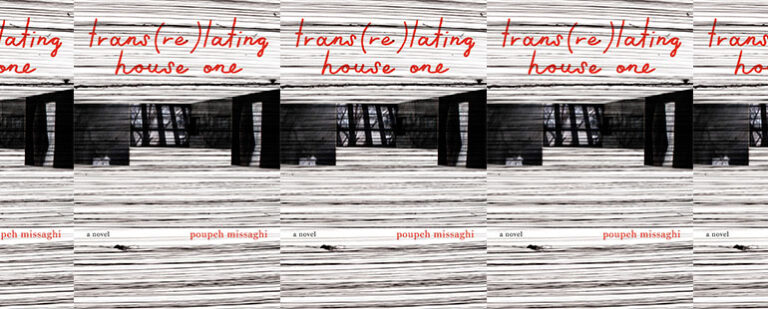
Poupeh Missaghi’s debut novel follows a protagonist obsessed with finding out why Tehran’s statues are disappearing. It’s an experimental hybrid work that combines a traditional novel narrative with quotes from theorists and writers, dossier-style notes on people who have been made to disappear after death, and poetry.
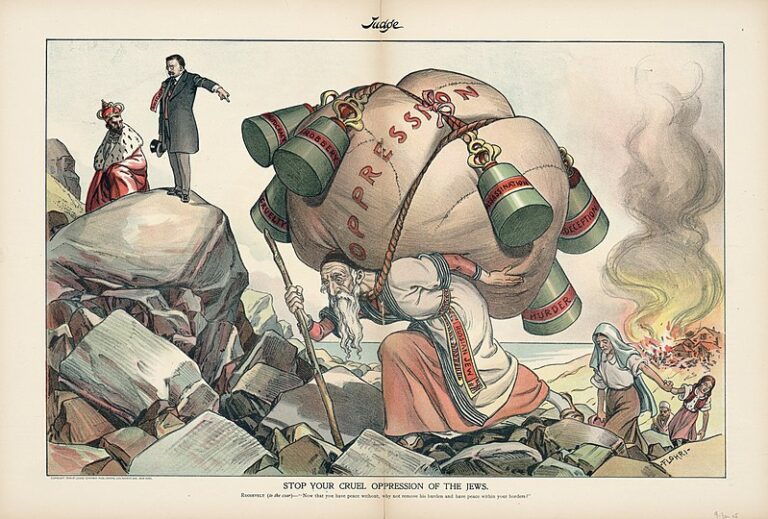
Babel witnessed pogroms in his youth, lived through times of disdain for Jews and intellectuals, and died at the hands of Stalin’s secret police. Nonetheless, this master of the short story accomplished much. Now, with antisemitism on the rise worldwide, reading Babel reinforces the power of wit when challenging hatred.
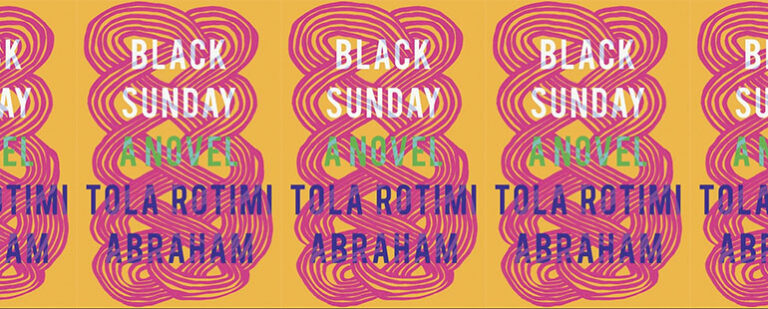
In Tola Rotimi Abraham’s debut novel, two young girls see the linkage of sex, money, and religion on the path to power.
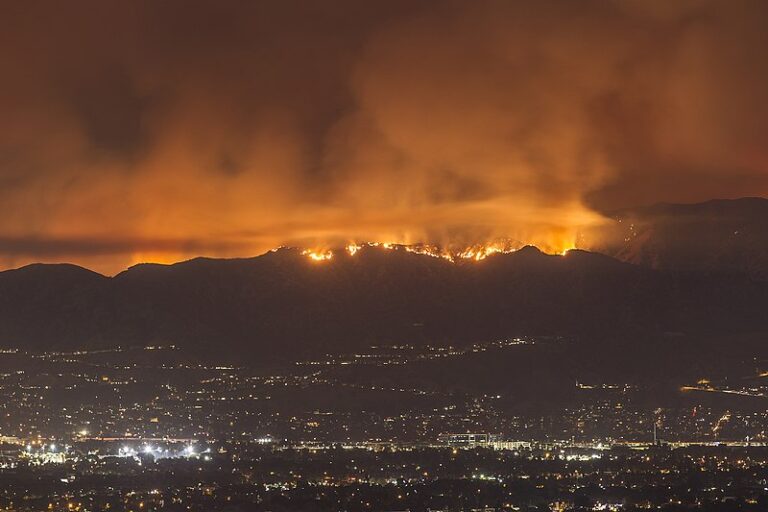
It can be easy, under certain circumstances, to imagine that catastrophe is worlds away. Just as it is easy, from the comfort of the East Coast, to relish in the warmer-than-usual winter and pretend like there are no fires consuming the wildlife of Australia or endangering the children of California.
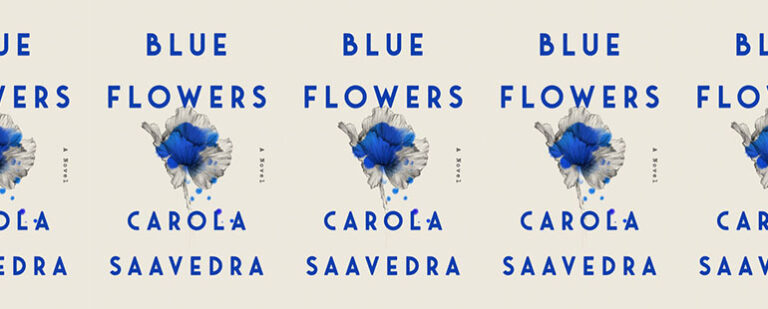
Obsessive love is a theme as old as the Iliad, but Saavedra’s novel gives it her own enigmatic twist, joining the ranks of Latin American authors who are transforming our literary landscape in vivid, thrilling ways.
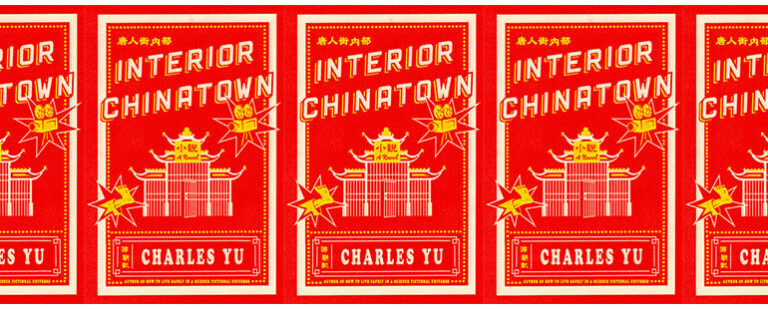
Yu is a master at mixing the artful, the humorous, and the meaningful atop new landscapes, and his new novel, the first to delve into conversations around race and ethnicity, is no exception.
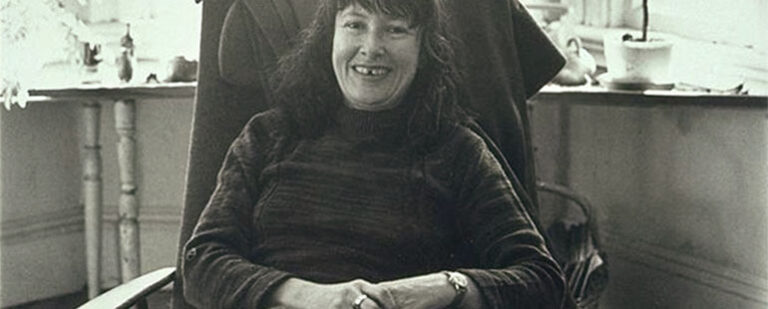
More often than not, Levertov claimed she was not whichever appellation had come to her doorstep. But her objections have more to do with the consequences of public identity than her actual political orientation, which was a lifelong commitment to poetry as but one form of protest.
No products in the cart.