In our Roundups segment, we’re looking back at all the great posts since the blog started in 2009. We explore posts from our archives as well as other top literary magazines and websites, centered on a certain theme to help you jump-start your week.
If Grease has taught us anything, it’s that summer is the time for lovin’, and if your inbox has taught you anything, it’s that wedding season is upon us. Here’s a roundup of posts about the often volatile, sometimes emotional, and ever dynamic relationships between writers, readers, and work.
“…you’re getting this letter because you put yourself out there. Read it, think about it, and put yourself out there again,” advises Eric Weinstein in What Rejection Means to Me.
“Those first pages help me decide if the book and I would make a great couple. Do I want to take it out for coffee or tea?” muses Thien-Kim in “When Do You Break Up With Your Book?”
“Whether it is fatigue, disgust, or something in between, the breakup is because something is broken between the author and the reader,” directs Robin Bradford in It’s Not Me, It’s You: Breaking Up With An Author.
Remember, as Chekhov once wrote to a friend, “Medicine is my lawful wife, and literature is my mistress. When I get fed up with one, I spend the night with the other.”
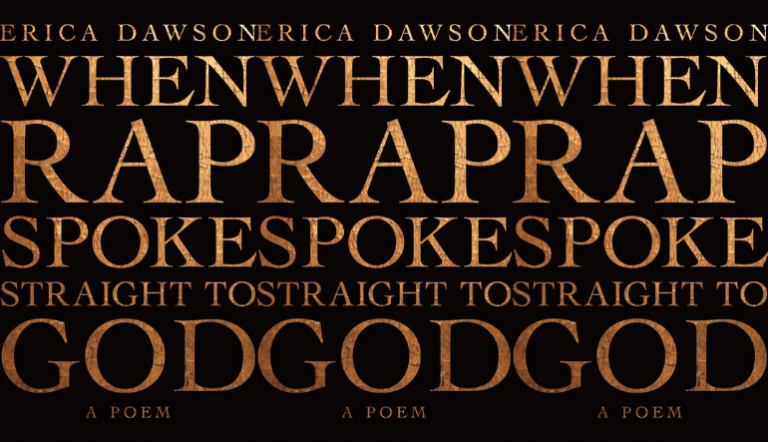
Heraclitus, the “Weeping Philosopher,” described Sybil as “[a] frenzied mouth [that] utter[s] things not to be laughed at, unadorned and unperfumed, yet reaches to a thousand years with her voice by aid of the god.” Erica Dawson’s remarkable new book describes our tumultuous present with all the tenacity of Sybil.
Magi Otsri’s new book is an intoxicating exploration of women between the ages of twenty and fifty, the ways they see the world and build it with every choice they make, and the different ways in which they bleed.
Move with the crowds underground to take the A train uptown on a quintessential Manhattan evening in late April, the clouds having opened up the sky to all those glorious industrial gases from across the Hudson that can turn the western horizon an ink wash of pastels. Step onto West 4th Street in the Village,…