The Real and the Unreal in Lesser Known Monsters of the 21st Century
The interplay of fantasy and reality in Kim Fu’s stories represents a yearning, through fantasies, technologies, and dreams, for the divine.

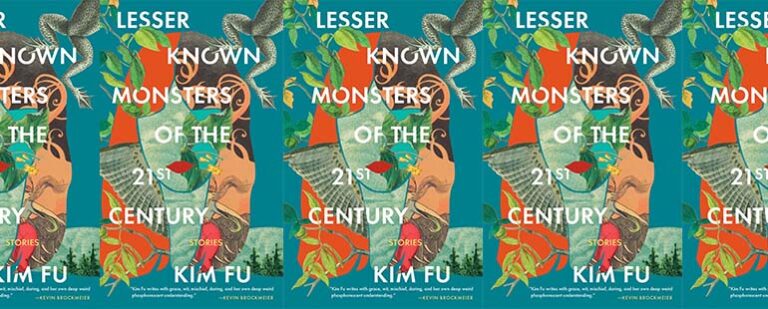
The interplay of fantasy and reality in Kim Fu’s stories represents a yearning, through fantasies, technologies, and dreams, for the divine.

In calling attention to her own unknowability, Harryette Mullen deconstructs preconceived notions about the delimited spaces of urban/rural, Black/white dichotomies, while enlarging the boundaries for Black writing, Black experience, and Black authority.
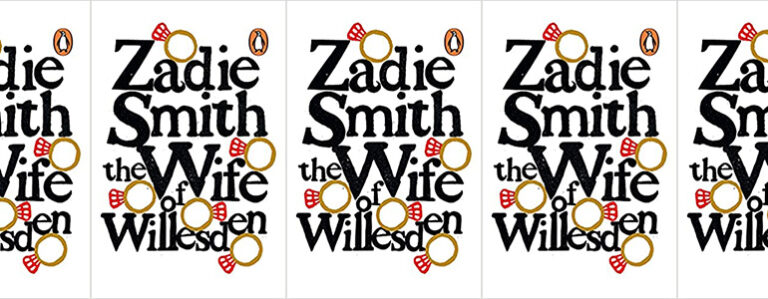
What Zadie Smith does in showing a Kilburn girl located within the Wife of Bath’s voice of experience is to open up space for thinking through the particular authority—the particular value and, especially in the play’s conclusion, the particular forms of sexual justice—such experience offers.
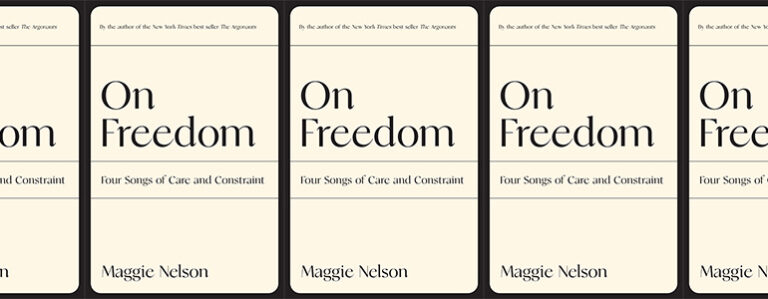
In her 2021 book, Maggie Nelson comes to identify and appreciate freedom’s paradox—that true freedom comes with an understanding of limits, or an appreciation of the idea of constraint.
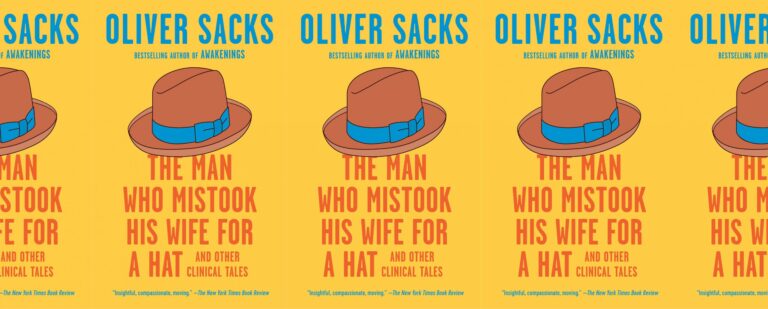
Oliver Sacks recognized that stories have a closer connection to the full complexity of the human condition than science. Nine years after the birth of my daughter, however, I realized that most existing narratives tell us more about cultural misconceptions of Down syndrome than providing a full, complex picture of human experience.
The poems in Luke Hathaway’s new collection demand attention, both with their often austere beauty and their rich and challenging depth of reference, but these poems contain so much conversation that it would feel strange to read the book in absolute isolation.
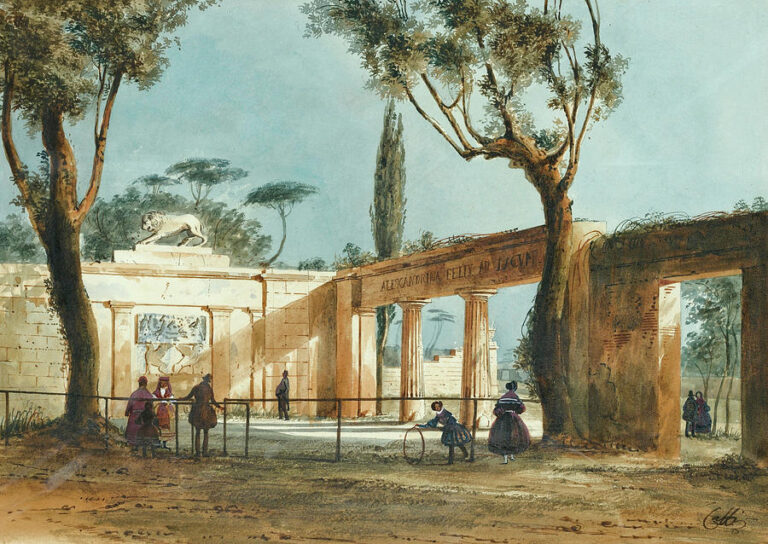
Elizabeth Gilbert’s 2006 memoir explores a restlessness she spends her sojourn contending with. It is a restlessness brought on by a rift that has formed between her mind and her body, a restlessness shared by all of us who were raised on the lap of the Protestant work ethic.
The aesthetic project of chronic illness memoir is inescapably tied to its political project. Within the wider genre, we might discern a politics of repetition.
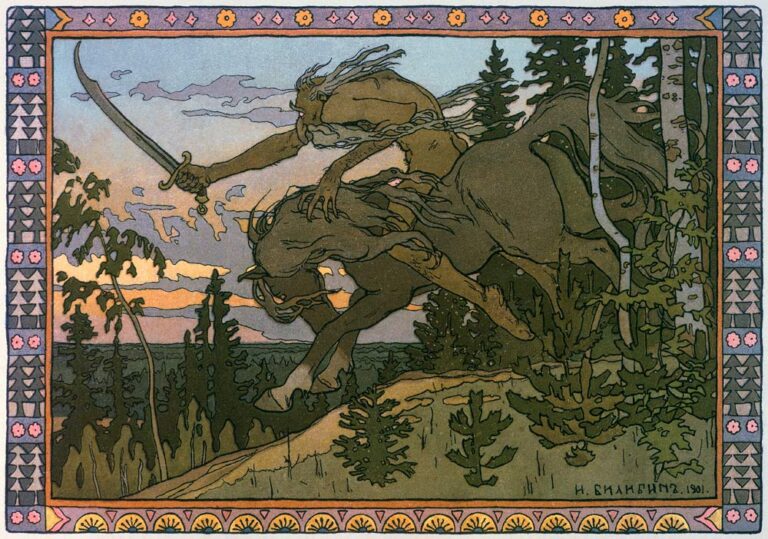
In a country in which “fairy tales predetermine reality,” the protagonist of Katya Kazbek’s new novel’s re-creation of a folk tale allows him to engineer his queer liberation.
No products in the cart.