To Tip the Balance
The scope of grief is unimaginable. So is the scope of joy. Our first task is to pay attention, but Annie Dillard reminds us it doesn’t end there: our work is also to try to tip the balance.

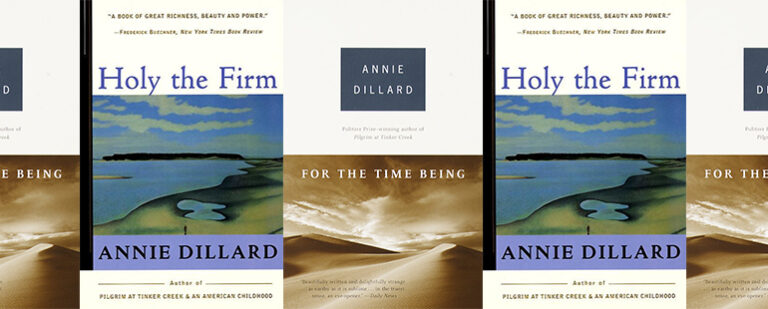
The scope of grief is unimaginable. So is the scope of joy. Our first task is to pay attention, but Annie Dillard reminds us it doesn’t end there: our work is also to try to tip the balance.
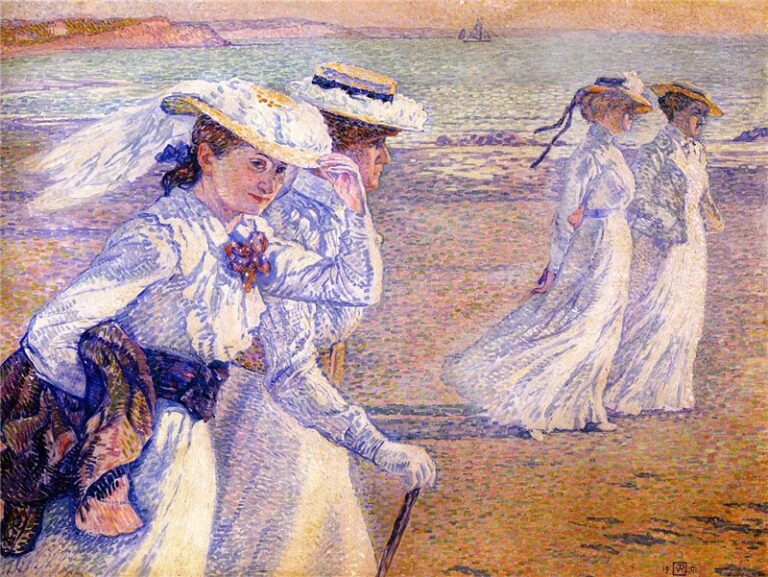
All the attention critics give to Anita Brookner’s unmarried heroines obscures what’s truly subversive in her 1984 Brooker Prize-winning novel. It isn’t just that Brookner’s protagonist charts a different course, maritally speaking; it’s that the novel’s dramatic focus is women looking critically at other women.

When a defense attorney asked Donald Williams II, a Black man and witness to the lynching of George Floyd, if he got “angrier and angrier,” Williams responded, “I grew professional and professional.” Such racial performance and linguistic inventiveness are on display in poems by Douglas Kearney and Yusef Komunyakaa.

Las Vegas is a feat of tremendous sleight of hand. What Diofebi shows in his debut novel, out this week, is all the thousands of machinations happening in the background, producing what is ultimately a glorious illusion.

Even to an erudite mage like Shakespeare’s Prospero, Miranda’s mind is mysterious and powerful, her memory evocative of her individual, autonomous character. He’s done his best to teach her, despite the circumstances, but no teacher can say with certainty what a student will remember and what will be forgotten.
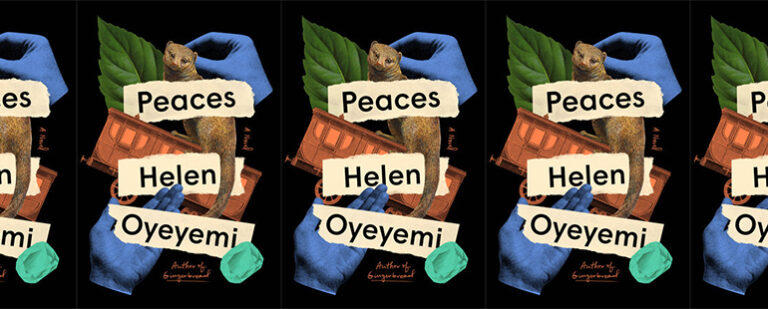
In Helen Oyeyemi’s new novel, time’s tricky manifestations in the material world point toward ambiguity itself as a poetics of unknowing and unseeing.
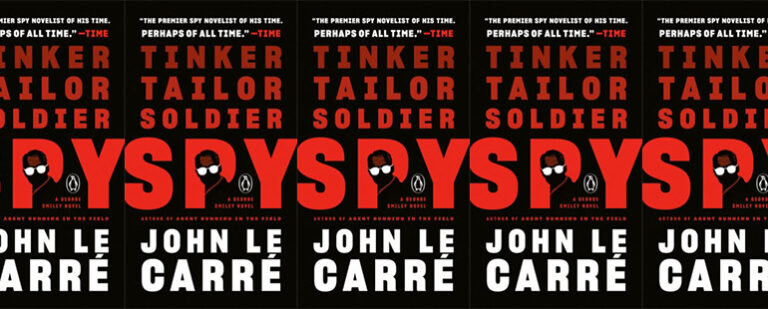
“When John le Carré died in December, I was drawn to revisit his 1974 espionage masterpiece. Its plotting was just as crystalline as I’d remembered, yet its enduring power didn’t lie, I realized, in its structure or entertainment value, but in the lucidity of its politics and moral investments.”

Kazim Ali’s 2009 book is built like a city: fragmentary, recursive, and at once public and personal. Travel fragments the narrator’s experience and story, shattering the idea that an autobiography should be told in complete sentences.

Kiley Reid’s debut novel delicately and insightfully examines the naiveté and smugness exhibited by people who consider themselves allies yet only understand how to speak and behave as allies in times of clear and immediate strife—and who, even then, are only familiar with the performative aspects of the task.
No products in the cart.