The Problem with the Quest Narrative
Madhuri Vijay’s debut novel uses the problematic traditional quest story to reveal how the intrusion of blind privilege can do real and lasting harm.


Madhuri Vijay’s debut novel uses the problematic traditional quest story to reveal how the intrusion of blind privilege can do real and lasting harm.

I’ve often wondered about the efficacy of my academic training. What good did it do? The definitive effect hasn’t been a breadth of ready knowledge but rather a facility for surprise and a capacity for shaped responses to texts I call “creative criticism.”

In Patricia Engel’s 2016 novel, a family, having been exiled from Cartagena, Colombia to the United States, is separated from their country by a vast gulf. But the ocean doesn’t just act as a barrier—it is also the scene of the traumatic event that the protagonist’s life revolves around.
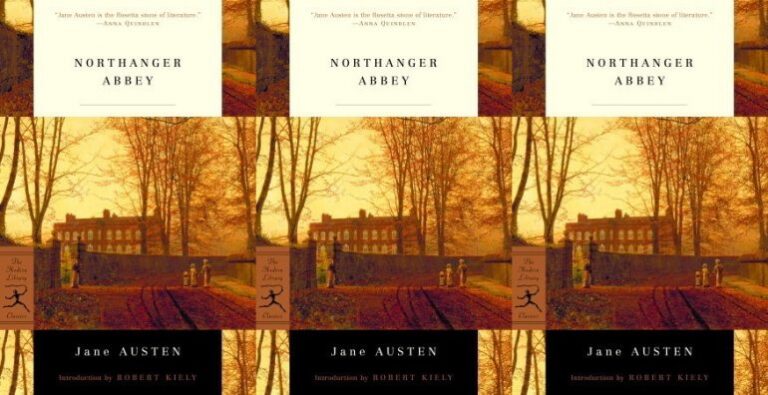
Though Catherine Morland may be neither Austen’s cleverest nor her wisest heroine, the story of how her naiveté is transformed to discernment is no less compelling, showing that understanding others takes a combination of good faith and imagination, tempered by experience.
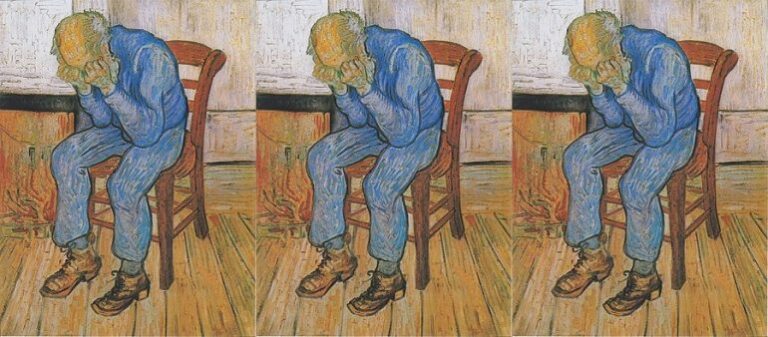
Even before he began to devote himself to painting, Van Gogh was gathering layers of experience that provided a way of seeing far beyond the inspiration works of painters he encountered provided him.
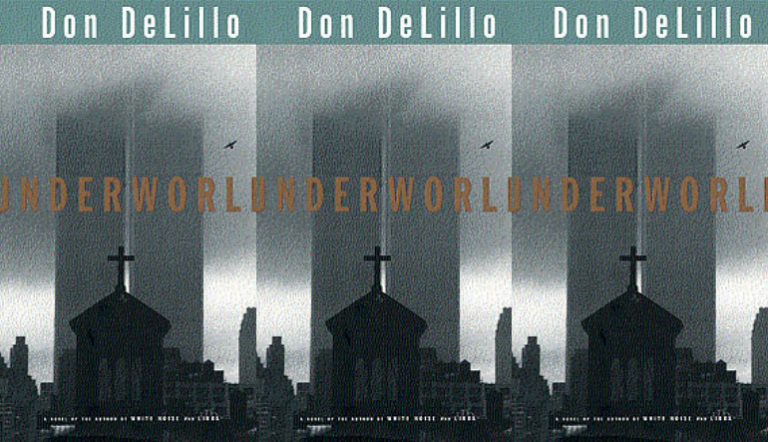
Rather than simply being connected by the rampant consumerism or the refuse of the Cold War that populates this novel, the characters of DeLillo’s 1997 novel are deeply connected by their emotional response to the beautiful.
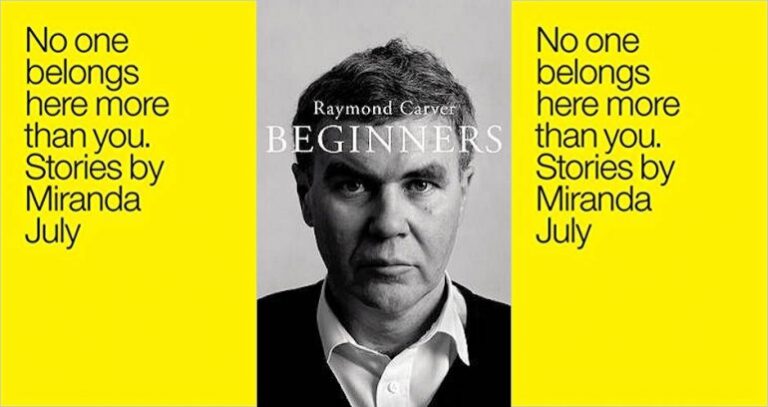
If one purpose of a frame story in a novel is to prime the reader to listen to what might be a long or meandering tale, what’s the purpose of a frame in a short story?
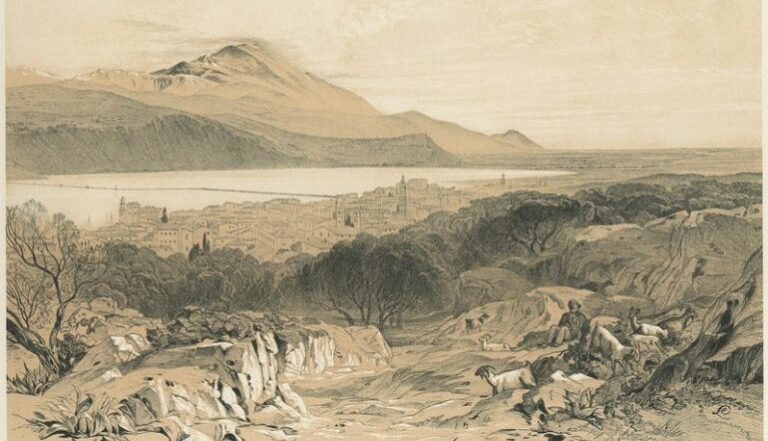
While the focus of Louis de Bernières’ 1994 book is the love story between a young woman, Pelagia, and Captain Antonio Corelli, one of the many side plots is that of the ruin of Mandras, Pelagia’s first fiancé, at the hands of masculine ideals.

By comparing a selfie to a hotel that stands tall and decadent in the cultural imagination, Lara Williams draws connections between the subtle themes of mapping, ownership, and value present in both her story and F. Scott Fitzgerald’s of a similar name—“The Diamond as Big as the Ritz.”
No products in the cart.