Good Little Girls
What happens when young women try to fight against the urge to be good and undisruptive?

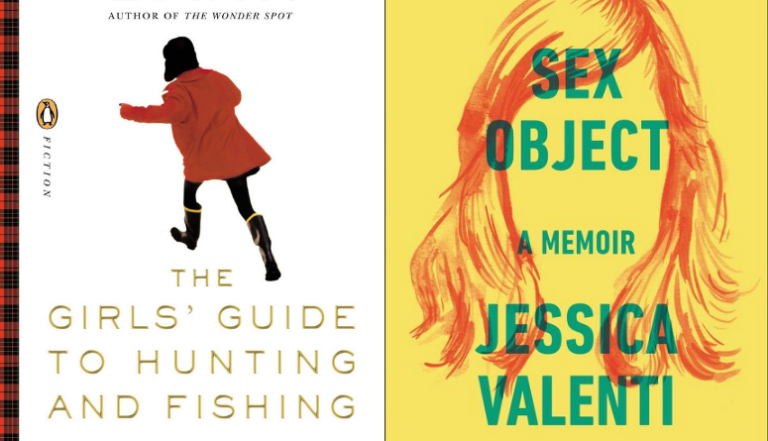
What happens when young women try to fight against the urge to be good and undisruptive?
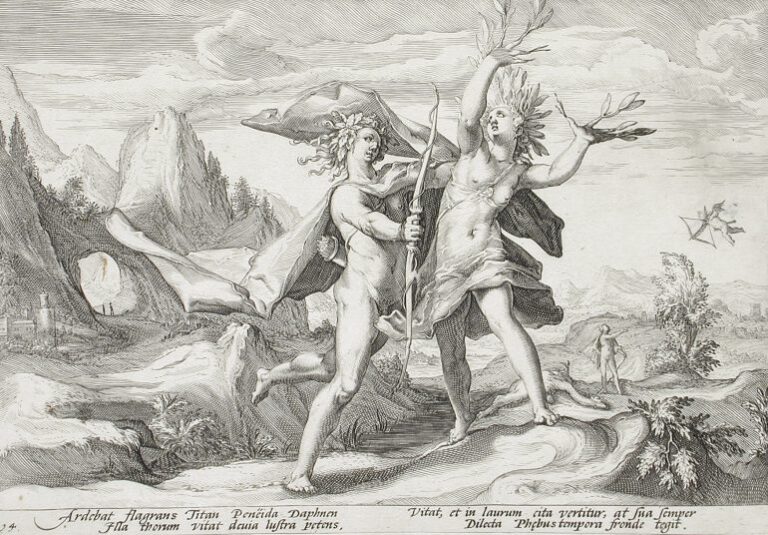
Jhumpa Lahiri’s work in Italian is reminiscent of liturgy books with Koine Greek on the left side and English on the other. That she includes the “little brother,” a moniker she’s given Italian, in her 2015 book—and on the left side—is a reversal of the norm.
Tanguy Viel’s new novel is not about poetic justice, but artifice.
Descriptions of rumination demonstrate how to pause and reflect in order to get to something more essential in the character’s psyche, something that couldn’t be expressed with either action or dialogue—or couldn’t be expressed as powerfully.
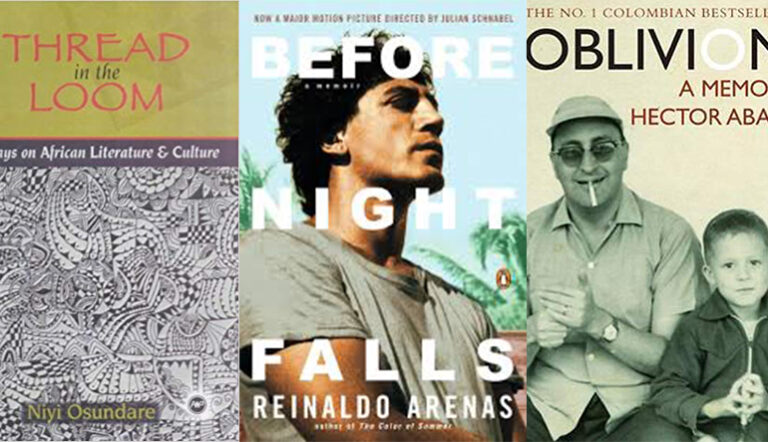
Three years ago, I was thrown out of a Trump rally. A friend got circled by police officers, stared at by supporters. He protested. I jumped in. As the police officers wrangled me, Trump said, I can’t believe in Louisiana it takes this long.”
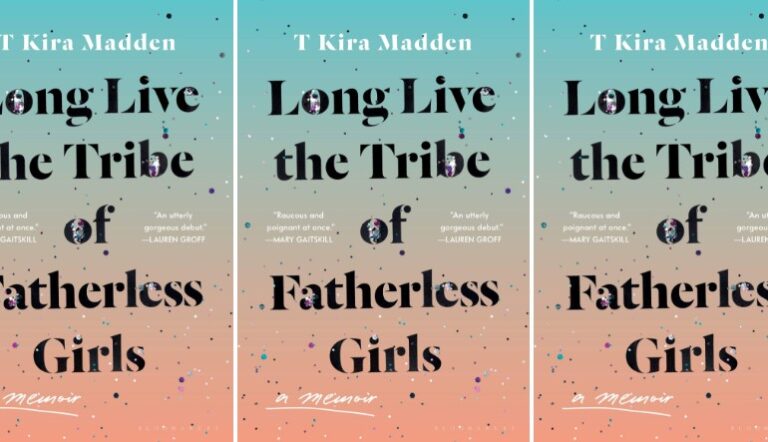
T Kira Madden’s new memoir is ultimately redemptive—it is a book about growing back from brokenness and finding love after a childhood spent longing for it.

What is interesting about trauma narratives, despite their abundance, is how writers shape them, allowing their stories to transcend the act of recounting.
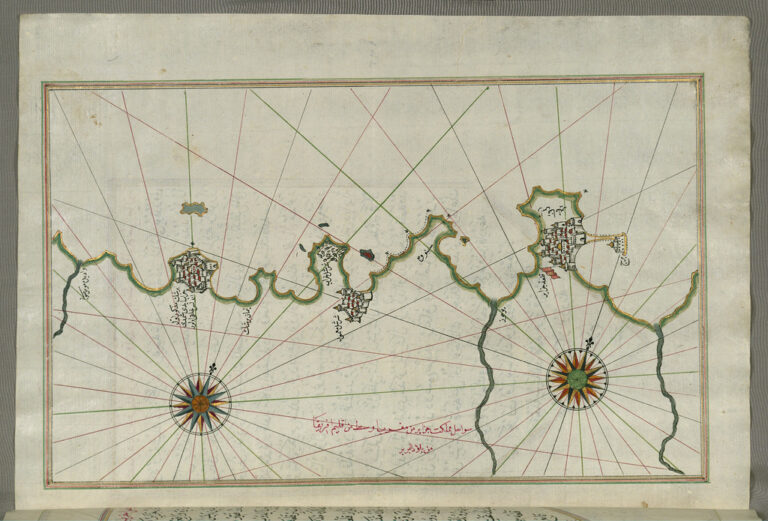
Djebar’s compelling 1985 novel is not only a crucial historical contribution from the Algerian perspective, but one that comes from an intersectional lens, giving voice to the often silenced and overlooked participation of women in struggles for independence and making space for these histories in the current global conversation.

Those of us who experience trauma find it difficult to put our experience into words in the first place. Many of us flounder, sputter, or stay silent, at a loss for how to adequately translate our experience into language.
No products in the cart.