Life and Death in Morgan Talty’s Night of the Living Rez
The story of the destruction of one world has on its other side the generation of something new. It may not be a world fit for the living, but it is still a world—a new one, at that.


The story of the destruction of one world has on its other side the generation of something new. It may not be a world fit for the living, but it is still a world—a new one, at that.
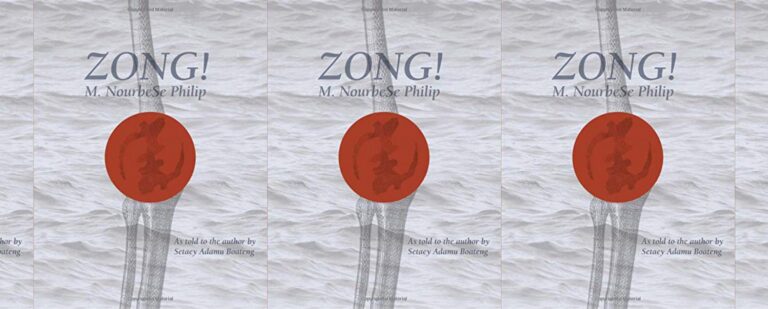
M. NourbeSe Philip makes it clear that the material body, personal identity, and non-dominant culture become sites of violence when they are submitted to totalizing modes of financialization. In her 2008 book of poetry, this violence is demonstrated in its most immediate and graphic form: chattel slavery.
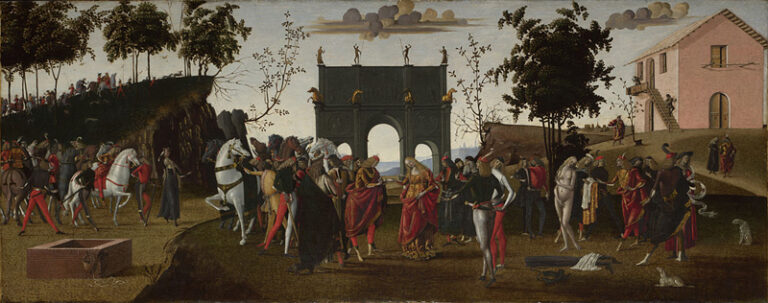
To understand what is “medieval” about particular forms of contemporary violence is not to understand a history of violence. It is, instead, to understand our own modern cruelty and our own deep discomfort with acknowledging it as ours.

Nina Mingya Powles’s newest collection is a sensory feast. Inviting readers into the spaces between language and culture, between country of birth and countries of origin, Powles paints the landscapes and histories that have shaped her.
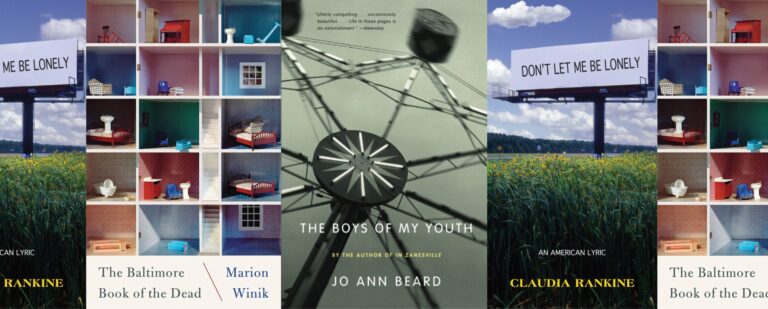
“When I was a teacher, death always lingered in the back of my mind.”
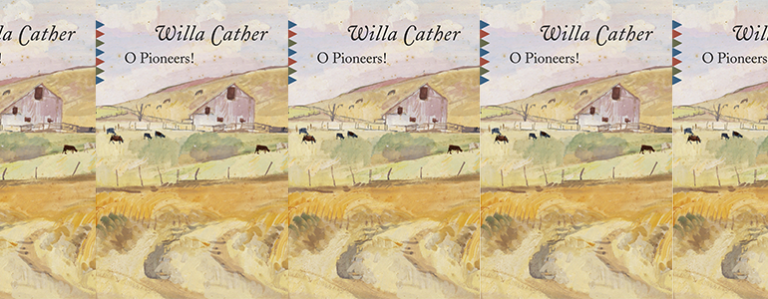
Willa Cather’s 1913 novel provides a vision of America that is at once familiar and completely foreign. As the novel revels in scenes of natural beauty and “simpler” times, it also warns us that such idealized visions of America were dangerous and violent all along.
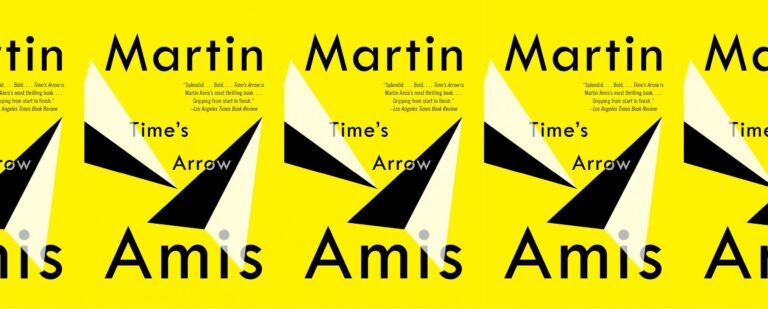
Martin Amis’ 1991 novel is principally a story about ideology, but it is also a story about denial, and the lengths we will go to justify our own hateful actions.
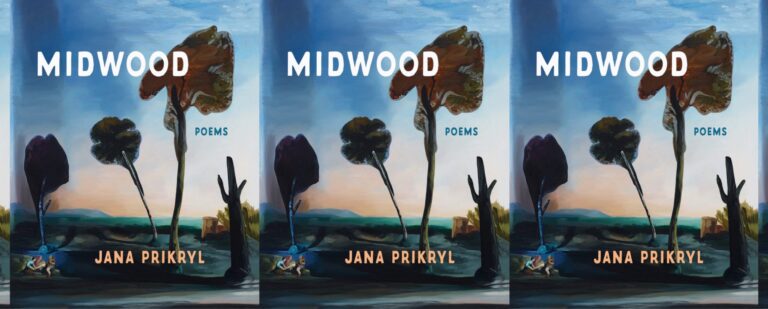
There’s a special delight in Jana Prikryl’s concentration about what is outside her window, the changes from season to season, the repetitions, and what is rooted and roots us, if we allow it to do so. It’s both a poetic act, and a necessary one, especially in our fragmented times.
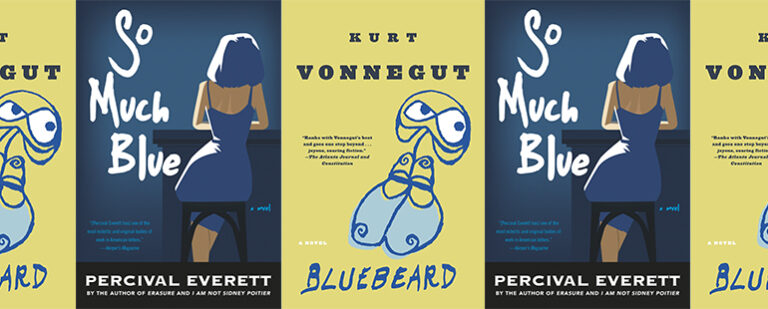
In filling his 2017 novel with similarities to Kurt Vonnegut’s 1987 work, Percival Everett initiates a dialogue on abstract art.
No products in the cart.