Revisiting The Intuitionist
Colson Whitehead’s first book is a complex story that takes an authoritative point of view within a deeply imagined world.

Colson Whitehead’s first book is a complex story that takes an authoritative point of view within a deeply imagined world.
Elaine Hsieh Chou’s debut is not only an outrageously enjoyable academic mystery, but also a moving portrayal of self-discovery.
Sixteenth century literature provides a compelling explanation for women’s engagement with true crime: in many cases, it portrays women in control, rather than victims, of violence.
Humans derive pleasure in finding order within disorder. We seek out patterns and meaning, even when there is none to be found. P. Inman’s 1982 book, through its performance of an open and chaotic writing system, calls our attention back to how heavy this burden of meaning can become.
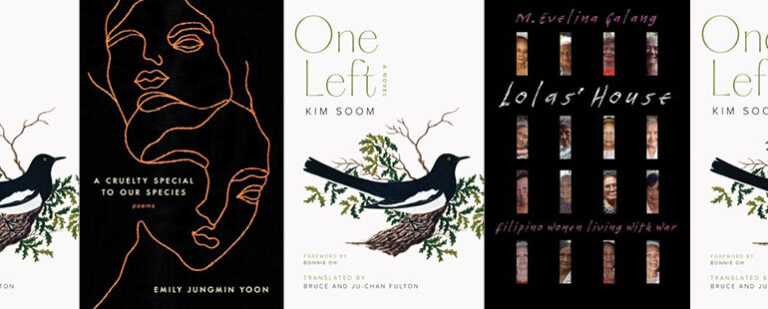
Books by M. Evelina Galang, Emily Jungmin Yoon, and Kim Soom fill critical gaps in the public’s understanding of World War II rape camps run by the Imperial Japanese Army—euphemistically referred to as “comfort stations.”
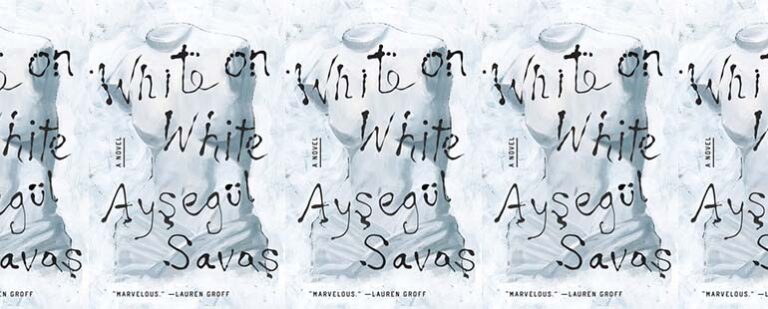
Ayşegül Savas’s 2021 novel is less an act of purification than a challenge to the reader to accept art on its own terms as an achievement of presence. It frames each reading, each act of looking, as an act of faith.
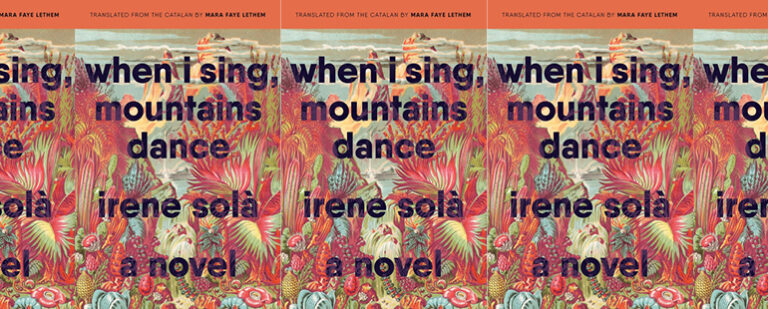
Irene Solà reveals the beauty and brutality of life in a mountain village that holds the scars of the past, but also the seeds of slow repair and renewal.
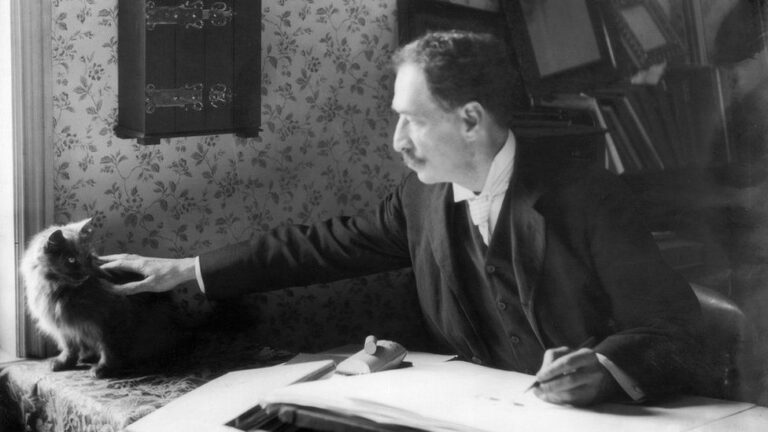
In conversation with Christopher Smart’s “My Cat Jeoffry,” Elena Passarello’s “Jeoffry” is an empathetic duet that reaches both forward and back with gentle humor and sparking wit, a perfect companion against the dark.
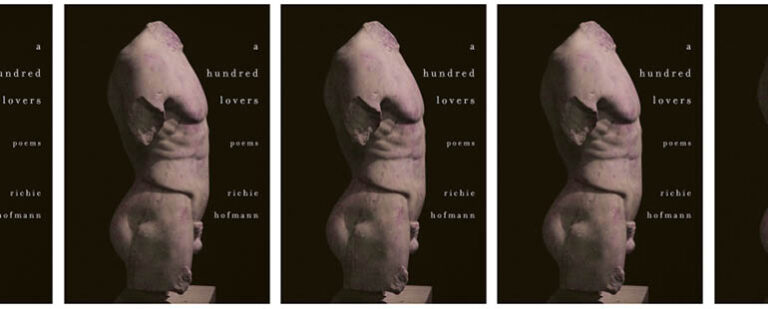
It is commonplace wisdom that our enduring ekphrastic poems do not merely transcribe or represent their source material. Like all poems, they enact an experience for their readers. This particular experience happens to be guided by one’s own transformation while encountering a visual work of art.
No products in the cart.