The Search for Home in Away to Stay
Mary Kuryla’s debut is a coming-of-age novel, a story about a girl slowly finding her way—though in this case, the narrative is turned upside down: Olya finds a home rather than leaves one.


Mary Kuryla’s debut is a coming-of-age novel, a story about a girl slowly finding her way—though in this case, the narrative is turned upside down: Olya finds a home rather than leaves one.

Charles Portis’s 1968 novel demonstrates how a story’s setting can be inextricably linked to its other elements: it would be hard to imagine Mattie and Rooster anywhere but the Arkansas “borderlands.”

Two “women’s” novels by Stella Gibbons and Dodie Smith, from 1932 and 1948 respectively, quietly pose the suggestion that to be concerned with comfort is not shallow, but merely practical, and that taking control of your surroundings, either forcefully or with empathy, can lead to self-actualization.

Claire-Louise Bennett’s new novel stirs up all the women in literature who have been sealing their anger away, letting it churn undisturbed at the center of themselves.
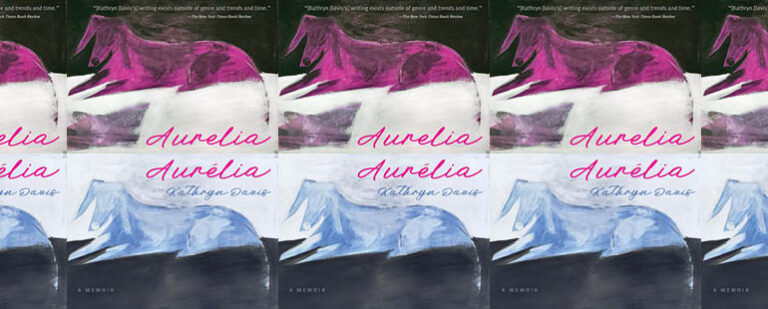
Kathryn Davis’s new memoir explores memory as something formative—something that begins as a static point then transitions into something alive, yielding something new, remembering becoming an experience in its own right.
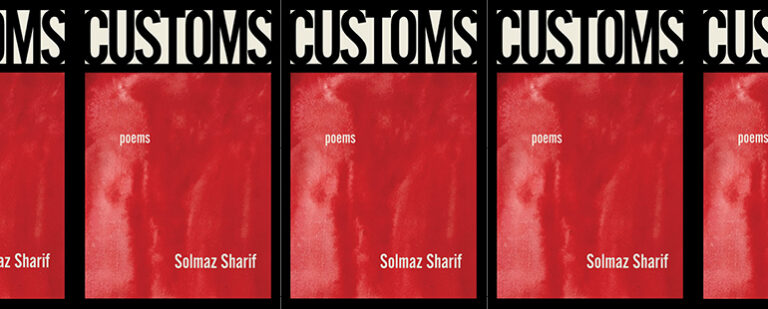
Solmaz Sharif’s language is spare and all the more sharp for what remains. Her poems explore “withoutness” in one’s history, and it’s through that withoutness that this collection takes shape, revealing an enormity of presence, of emotion, and of meaning.
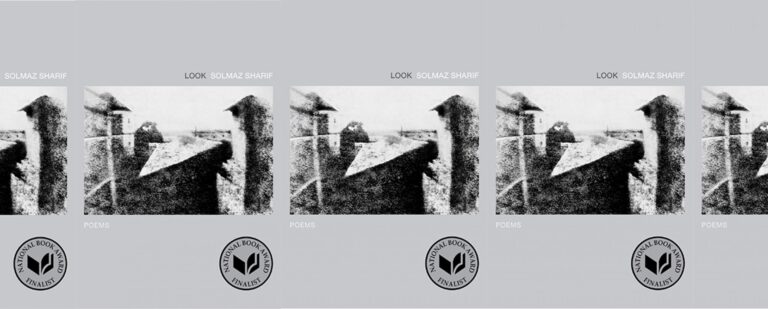
While Solmaz Sharif’s poems tackle large subjects that concern large populaces, you can also see the power of the personal in her work. In fact, it is her personal journey that makes her 2016 collection universal: the closer you get to a subject, the more universal it becomes.
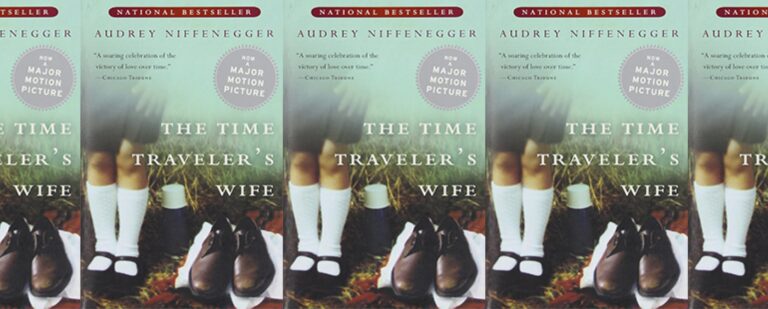
While Giorgio Agamben notes many modern examples of his homo sacer figure, another can be found in Audrey Niffenegger’s 2003 novel, via her reluctant time traveler, Henry.

Ling Ma and Calvin Kasulke’s novels explore the disembodiment of contemporary work culture as a grand coping mechanism, providing characters with a numbing, and even joyful, distraction from ongoing trauma.
No products in the cart.