The Insomnia and Dream Visions of Medieval Literature
Medieval literature’s exploration of insomnia demonstrates a grappling with what it means to live with, and accept, fear and anxiety.

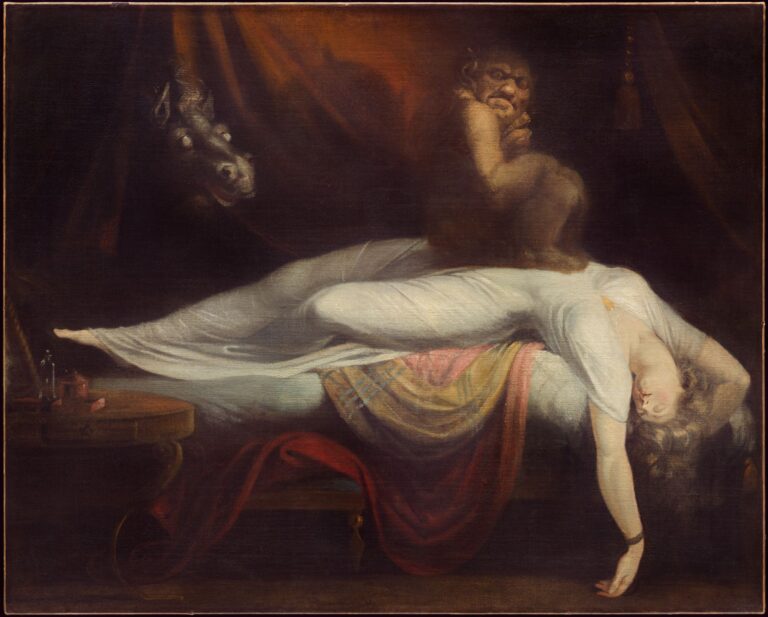
Medieval literature’s exploration of insomnia demonstrates a grappling with what it means to live with, and accept, fear and anxiety.
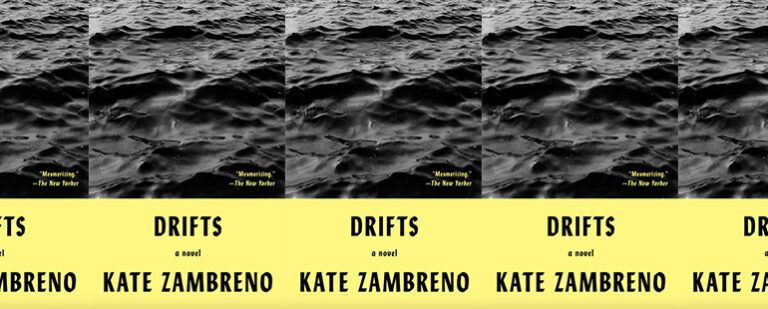
Kate Zambreno’s 2020 novel explores the self that comes into being through an ongoing “dynamic contemplation” and co-creation with the surrounding world, and the idea that all that ever happens is our understanding of what happens to us, and how we filter that through our minds, mediated by our bodies.
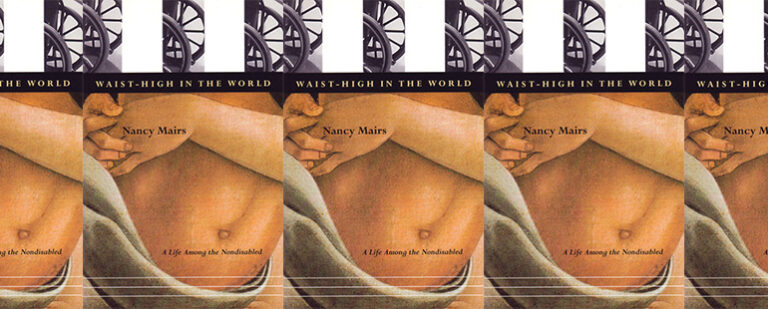
Nancy Mairs’s 1996 essay collection has a clear, singular, and unfortunately still radical intention: to demonstrate to “readers . . . who need, for a tangle of reasons, to be told that a life commonly held to be insufferable can be full and funny.”
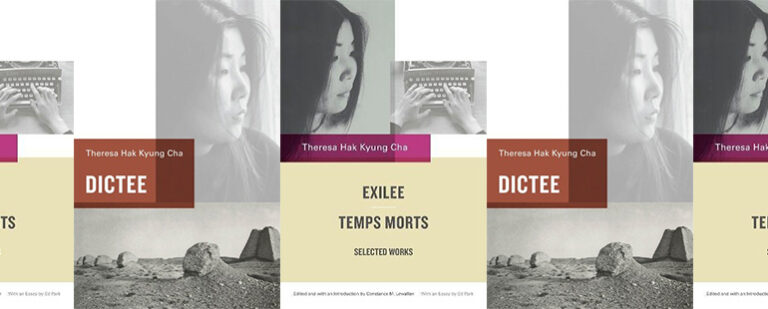
The difficulty of communication between writer and reader illustrates the instability and contradiction Theresa Hak Kyung Cha saw in the roles she inhabited. Cha understood herself as a series of multiple, fragmented identities, the makeup of which could not be fully or accurately articulated using the crude tools of language.
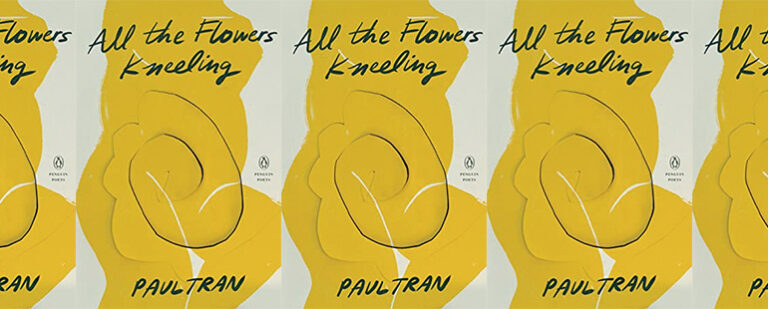
Tran’s poems are an antidote to a world that asks us to prioritize progress over reflection, mastery over ambiguity. Their collection is a necessary reminder that states of unknowing, too, are fruitful.
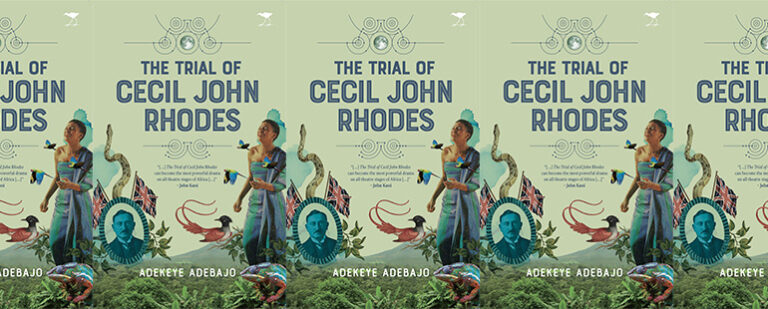
By taking the imperialist Cecil John Rhodes and his readers through a history of Africa and its diaspora, Adekeye Adebajo interrogates Eurocentric history and what it chooses to suppress.
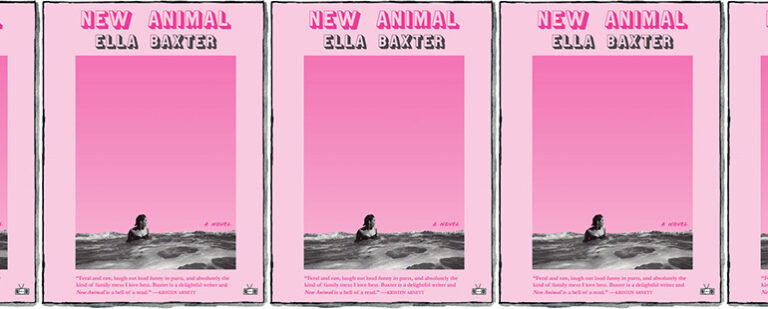
Ella Baxter’s debut novel is a raw, unflinching look at the aftermath of grief.
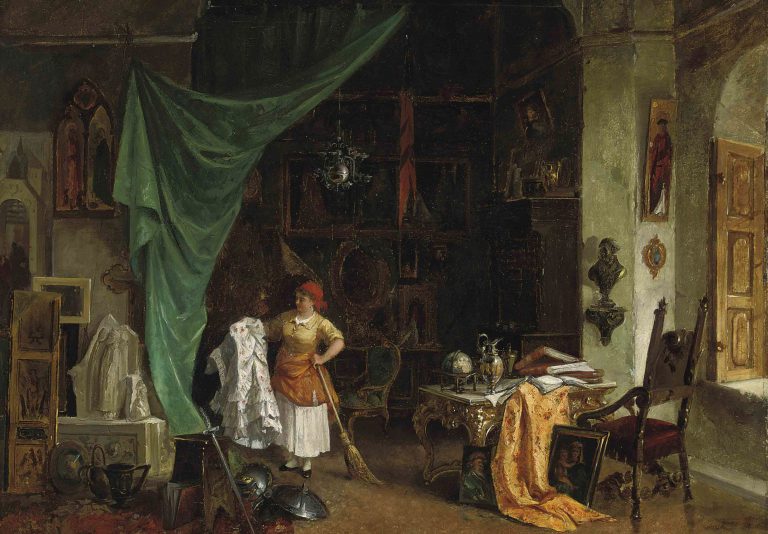
Nicholson Baker’s longform essay “Lumber” is about the joy of one man doing the work of discovery and learning, and the fact that it comes from a time before the lazy chaos of the internet might be the most enjoyable thing about it.
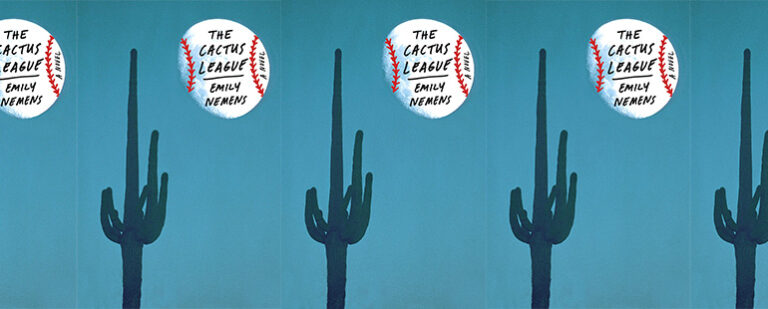
Emily Nemens’s 2020 novel is baseball superstar and secret gambling addict Jason Goodyear’s story. The unnamed sportswriter who shepherds the reader along, however, through his positioning and control of the story’s unfurling, attempts to make the teller at least as important, if not more important, than the tale.
No products in the cart.