Withholding and Revealing in Lily King’s Five Tuesdays in Winter
Lily King’s new story collection drops readers into imperfect lives, evoking awe and anger and admiration and futility, reminding us how it feels to be human.


Lily King’s new story collection drops readers into imperfect lives, evoking awe and anger and admiration and futility, reminding us how it feels to be human.
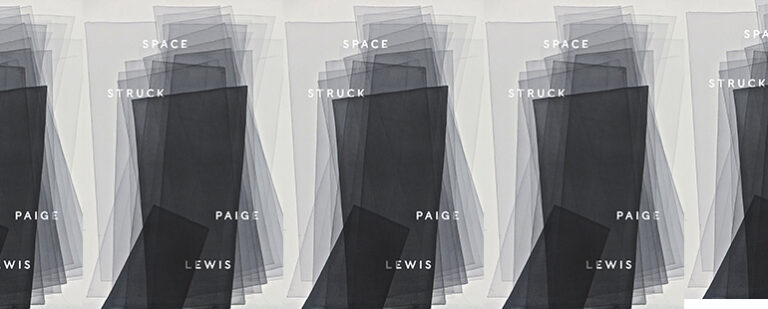
Inextricably intertwined with the seeming power of the Anthropocene is a deep grief for the loss of a world that we suspect once existed, that we catch glimpses of, but that eludes us more each day.

As Ye Chun’s new collection builds, drawing and exploring the lives of Chinese women, the importance of language to communicate, to understand, and to dream is illustrated again and again.
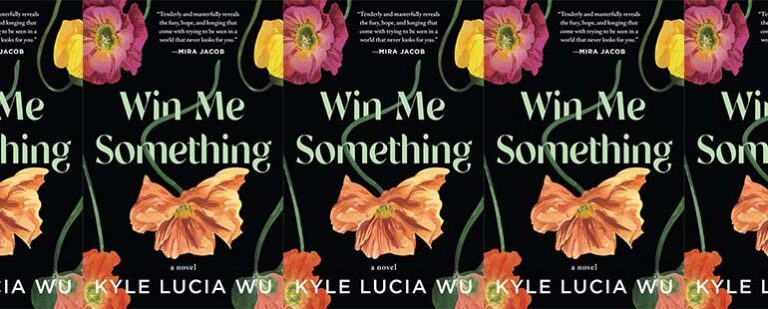
In Kyle Lucia Wu’s debut novel, care looks like many things . . . it’s in this subtle lesson that Wu’s quiet, understated prose builds to a deeply moving coming-of-age novel.
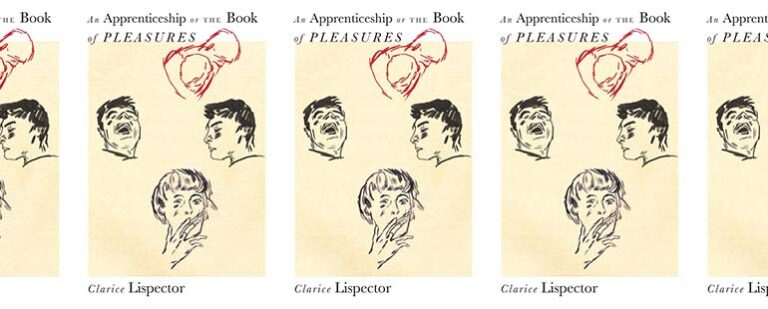
Clarice Lispector soothes and excites the reader through variation, inversion, and extension, writing in a manner that is both erotic and illuminating, and difficult to translate.

Miriam Toews’s 2004 novel explores layers of trauma in a Mennonite community, but the most striking, heartbreaking thing about this book is the moments of grace that Toews identifies within the pain.

In Melissa Lozada-Oliva’s debut novel, a Latina poet brings Tejano pop star Selena Quintanilla back to life through a séance . . . the book brilliantly challenges the limits of one’s selfhood and reveals what’s lost when it’s contorted to fit the beholder’s gaze.
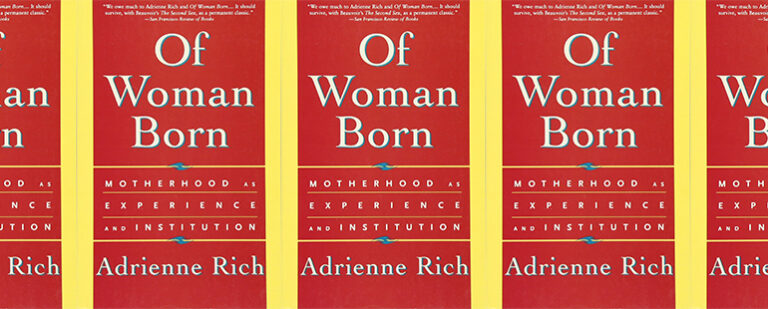
I’ve long found personal resonance in Adrienne Rich’s description of the struggle to be home with young children while also seeking to do intellectual and creative work. What I didn’t expect in rereading her 1976 classic was how uncannily similar her descriptions of the mid-century institution of motherhood would sound to my experience of pandemic.
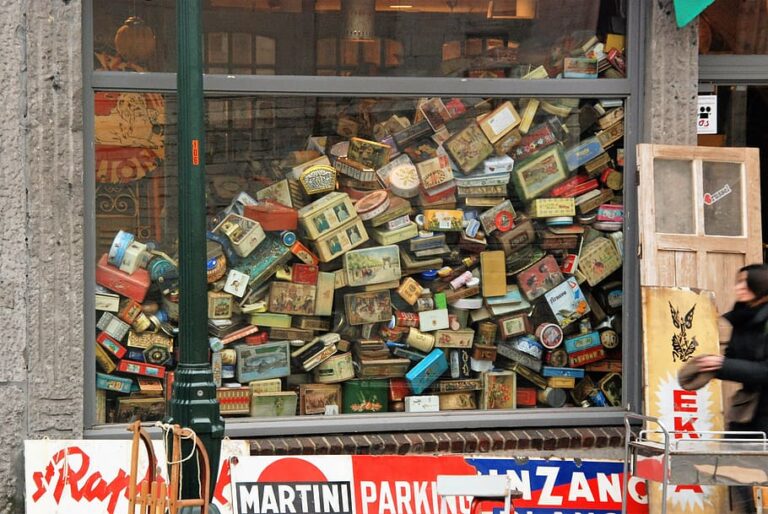
Initially, the titular secondhand store seems to be the focus of Hiromi Kawakami’s 2005 novel. As the story progresses, however, it becomes increasingly clear that the shop is simply the backdrop for what Kawakami is actually interested in: the odd quirks of human interaction.
No products in the cart.