Hurricane Season by Fernanda Melchor
Its comfort in the grotesque, the casual nature of it, is the most disturbing yet captivating aspect of the novel. Melchor’s debut drowns the reader in ominous truth, accentuating real life through fiction.

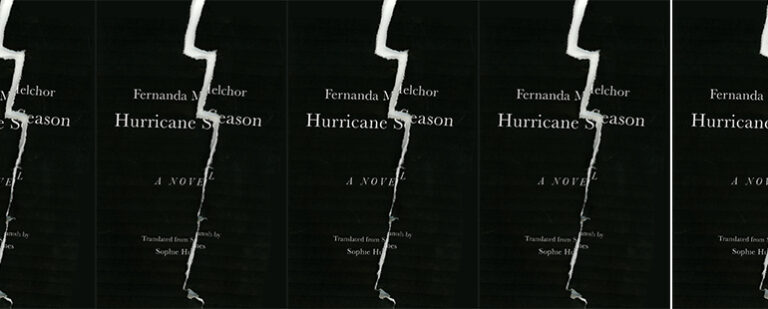
Its comfort in the grotesque, the casual nature of it, is the most disturbing yet captivating aspect of the novel. Melchor’s debut drowns the reader in ominous truth, accentuating real life through fiction.
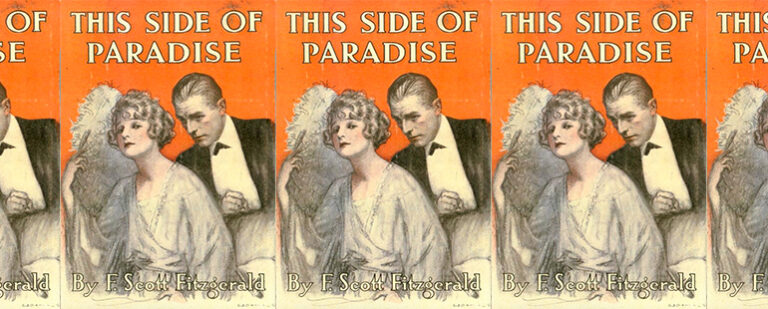
A century after its publication, the omens of disillusion and discontent, of economic unease, of rebellious divisions within F. Scott Fitzgerald’s novel—they all seem more urgent and more dangerous with every re-reading.
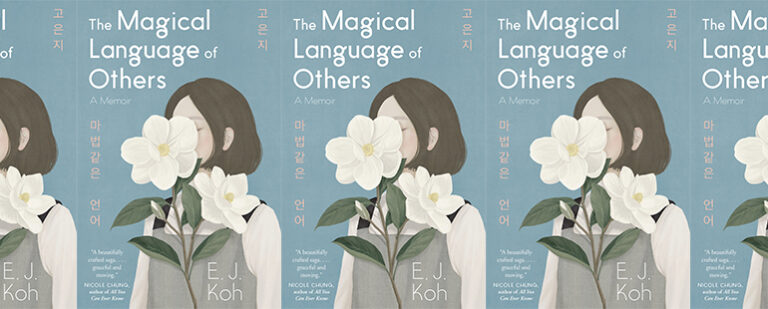
While a memoir can often feel myopic or even self-indulgent, Koh’s presents clearly the truth that is tucked between the pages of all memoirs—that all of us are pieced together by a multitude of stories told to us and that we, in turn, tell to others.
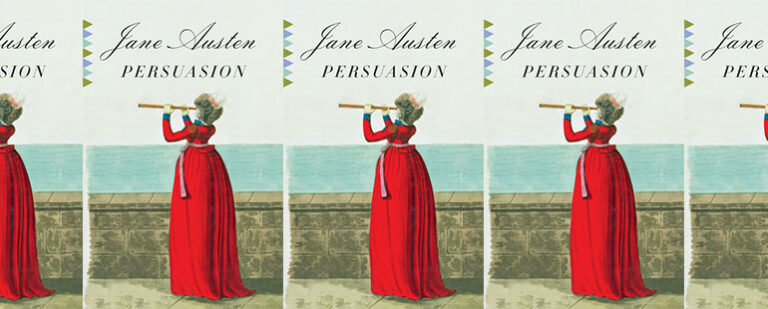
The quiet, steadfast heroine of Jane Austen’s final novel, Anne Elliot, has lived a life of much sorrow. After my mother’s death, the melancholy of her character offered me a safe way to experience the sorrow and loneliness that I otherwise kept at bay.

Emily St. John Mandel’s new novel continues her project of examining the immeasurable possibilities available in a single life.

In essence, Aira says that architecture is a language, a manifestation of our unconscious into reality; it is a diorama of our humanity, rendered in miniature form, shaped by our dreams. So what should we make of the dreams of architects who create buildings of inequity?

Eileen Myles’ “Peanut Butter,” Jane Hirshfield’s “My Species,” and Robert Frost’s “Birches” each use plainspoken vocabulary and domestic imagery to branch outwards towards life’s most urgent questions; each poem locates itself in small, particular moments of bliss and wonder.
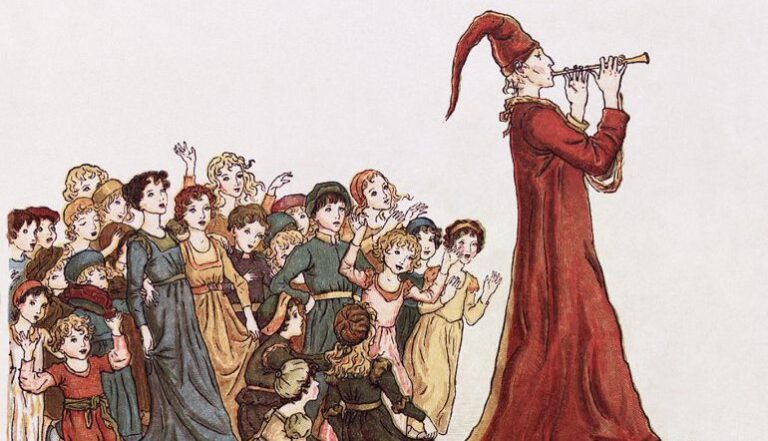
The line between fairytale and other narrative modes is one between distance—emotional and temporal—and immediacy. Martin McDonagh’s 2003 work consistently plays across this line, retreating from and then suddenly foregrounding moments of visceral horror.
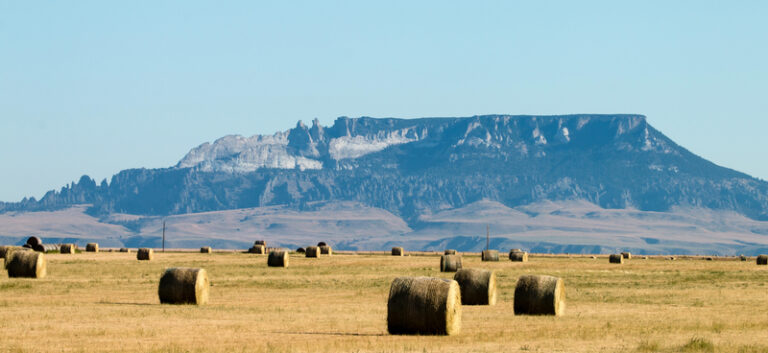
Carson’s invocation of the idea of an American pastoral penetrated by a dangerous, toxic presence is, as Lawrence Buell points out, neither new nor confined to ecological writings—or even American writings. Buell does, however, name the publication of Carson’s most famous book as the effective beginning of “toxic discourse.”
No products in the cart.