Reading The Human Stain
Philip Roth’s book is an in-depth, punch-in-the-gut study of the notion of judgment and blame-laying.

Philip Roth’s book is an in-depth, punch-in-the-gut study of the notion of judgment and blame-laying.
What happens when young women try to fight against the urge to be good and undisruptive?
Books by Kevin Brockmeier—focusing on the horror of surviving seventh grade—and Buddhist psychotherapist Mark Epstein dissect the trauma of everyday life.
As a translator, I am often asked about contemporary Palestinian literature, and find myself, a liberal Jew from Israel currently living in the US, at an embarrassing loss. Recently, I found my foray into contemporary Palestinian writing.
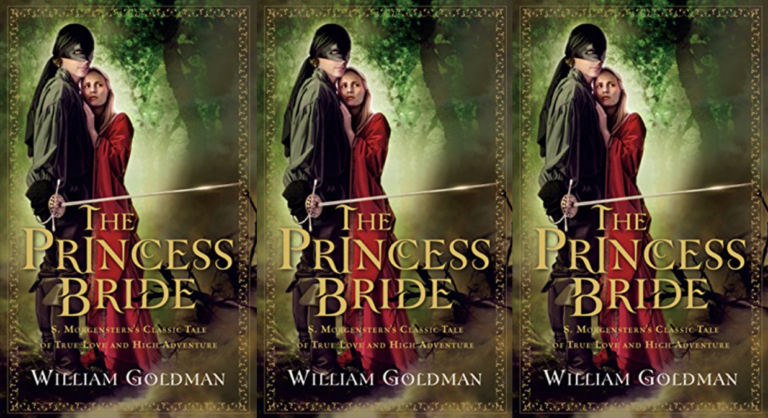
This year, I learned that the emotional background to William Goldman’s famous novel is fictional.
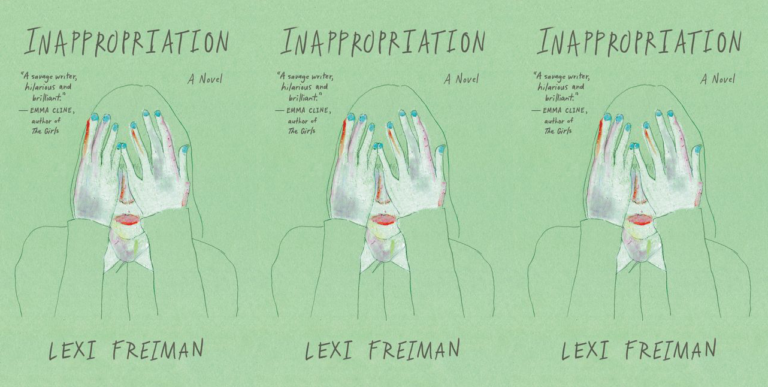
Works by Rebecca Solnit and Lexi Freiman take a look at how women express and suppress their rage.

As with one’s family, Loskutoff has a complicated relationship with the Northwest, one that cannot be reduced to a single definition such as “love” or “hate.” He is mixed up in this wild country, both as an insider Montana native and as an outsider.
Recent works by Sarah Perry, Michelle Zauner, and Sara Nović demonstrate how, with time, they were able to take their pain and paralysis and forge something beautiful.

“Ewer Toccata” depicts the surprise that Saar Yachin—a poet, translator, and musician—experienced when he moved to the desert town of Mitzpe Ramon in southern Israel and was hit by divine inspiration. “I went to the desert to find quiet,” he writes. “Boom! Ewers of poetry.”
No products in the cart.