The Living Sea of Waking Dreams’s New Ways of Writing the Dying World
Richard Flanagan’s latest novel shows us how a writer can tell the story of our anxious, disturbed world in a meaningful way.

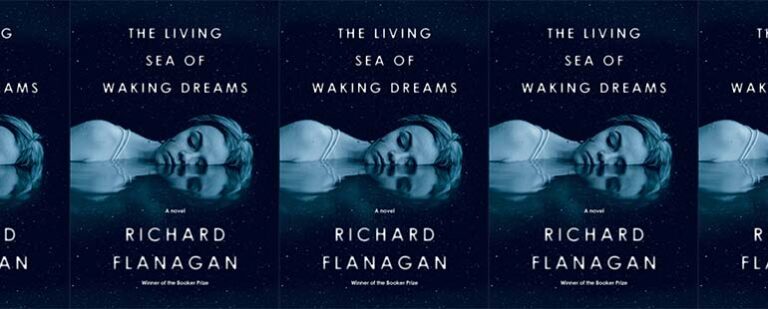
Richard Flanagan’s latest novel shows us how a writer can tell the story of our anxious, disturbed world in a meaningful way.
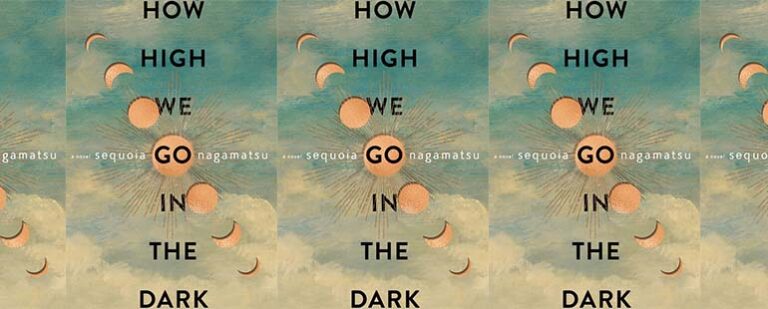
Published two years into the COVID-19 pandemic, Sequoia Nagamatsu’s debut novel is in some ways comforting, and in others a brutal reflection of our current moment. Through the course of the tragedies and mundanities explored within, every facet of every person’s life is altered; Nagamatsu explores how people handle a changing world.
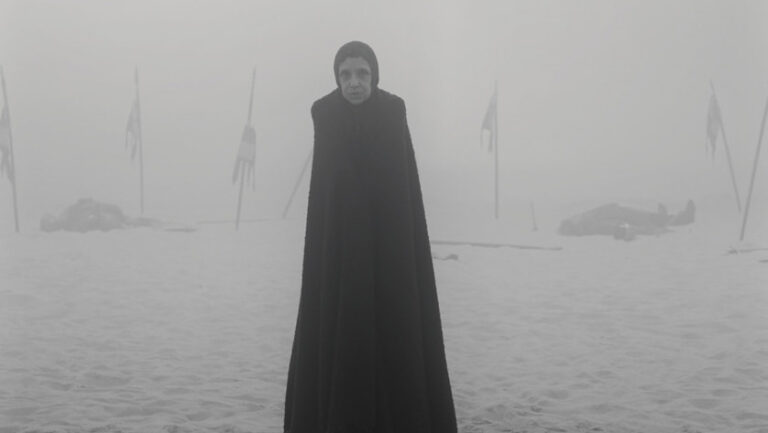
Macbeth’s failures are failures to understand the interplay of perspective and perception in interpretation.
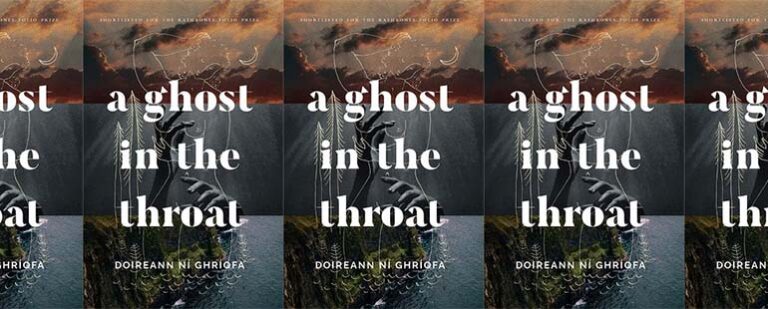
Doireann Ní Ghríofa’s 2020 novel is a conversation between women, one of whom has the freedom to speak her long and impassioned set-piece in her famous keen but perilous little more, and another who is—by facing squarely that seductive, obliterating control that could empty room after room—creating herself.
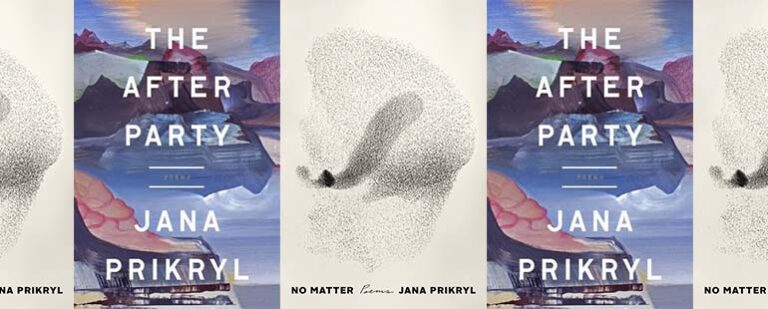
The poems that imagine photographs, the making and distribution of images to one or many friends, to strangers, revisit a figurative injection posed in Jana Prikryl’s first collection: a poem is not functional, a poem is something to be experienced in time.

Fanfiction pummels its readers with emotion, nearly overdosing us on joy, love, sex, and sorrow until we are left feeling exposed. It’s this rawness that fanfiction readers crave, and it’s this same rawness that Hanya Yanagihara brings to the literary world with her 2015 novel.

Gisèle Freund’s portraits, shown at the Maison des amis des livres in 1939, of several avant-garde writers and artists, are a collective portrait of a community, rather than a series of individuals. This group of intellectuals, however, would be scattered by the invasion of Paris by the Nazis one year later.
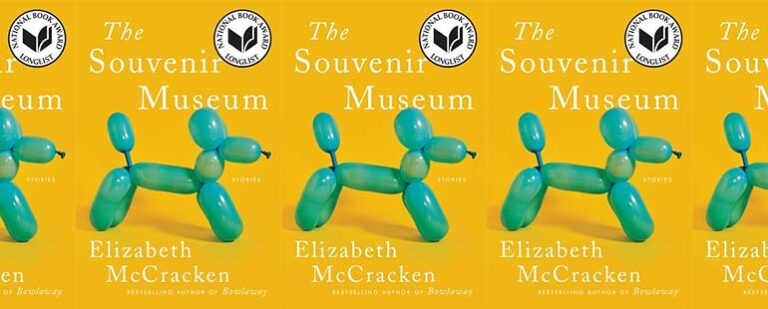
Elizabeth McCracken’s stories do more than speak—they wink and flirt, make visual puns as though they are doing a skit together, improvising and seeing if they can get their stage partner to crack, while the reader, seeing the winks and the gestures, knows they are part of the show.
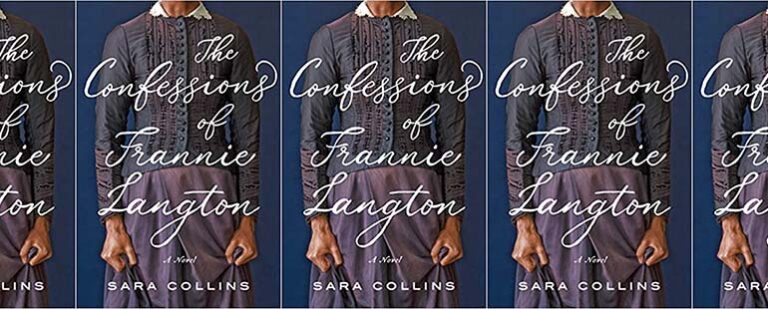
Sara Collins’s 2019 novel tests and even breaks the boundaries of the gothic voice, showing that a heroine standing on the outside of literary tradition can still inhabit the gothic and push it to new and provocative directions.
No products in the cart.