Topics of Conversation by Miranda Popkey
In Miranda Popkey’s debut novel, conversation has the power to shape the story of a life.

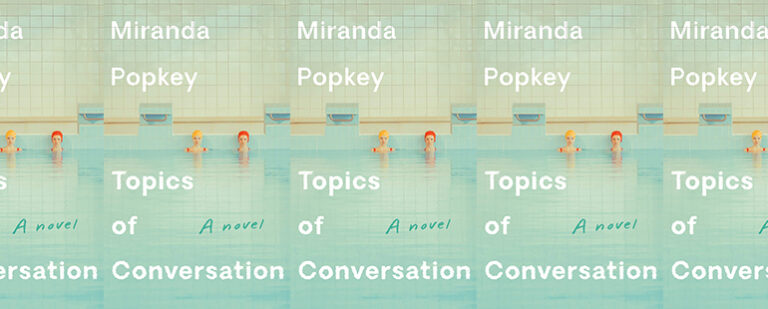
In Miranda Popkey’s debut novel, conversation has the power to shape the story of a life.
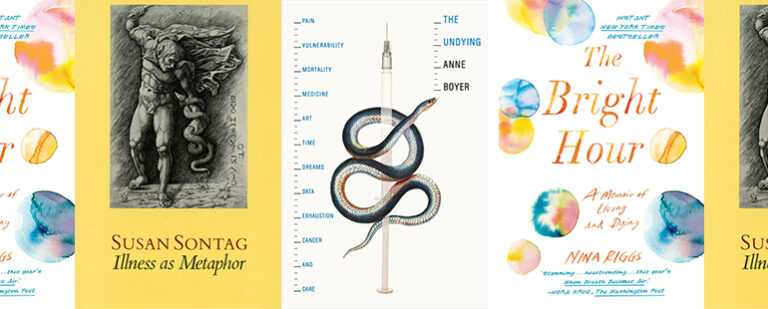
Anne Boyer joins others, like Susan Sontag, Nina Riggs, Audre Lorde, and Kathy Acker, who push against and question the breast cancer narrative conventions.

A tantalizing bildungsroman beginning convinces the reader not only that the protagonist is worth listening to, or that the world of the novel is worth observing, but also that there is an interesting friction between the narrator and her surroundings.

Talking, or writing, about endings is hard—whether it’s the end of a marriage, the end of a life, or the end of a book (lest one spoil the conclusion). Life rarely offers sudden and definitive endings or epiphanic conclusions. Rather, events leading up to the end seem to be a slow unfolding, occasionally bleeding into…

How does one raise a child to be culturally Jewish, to speak Hebrew and find meaning in the familial and ritualistic aspects of the holidays, without going to synagogue, fasting, or talking about Hashem? How can we explain to our son that he can be American but also Israeli?

Poems by Laura Kasischke and Valzhyna Mort explore the power that a fragment of language can have—especially a fragment heard long ago, and recalled in a space somewhere between recollection and invention.
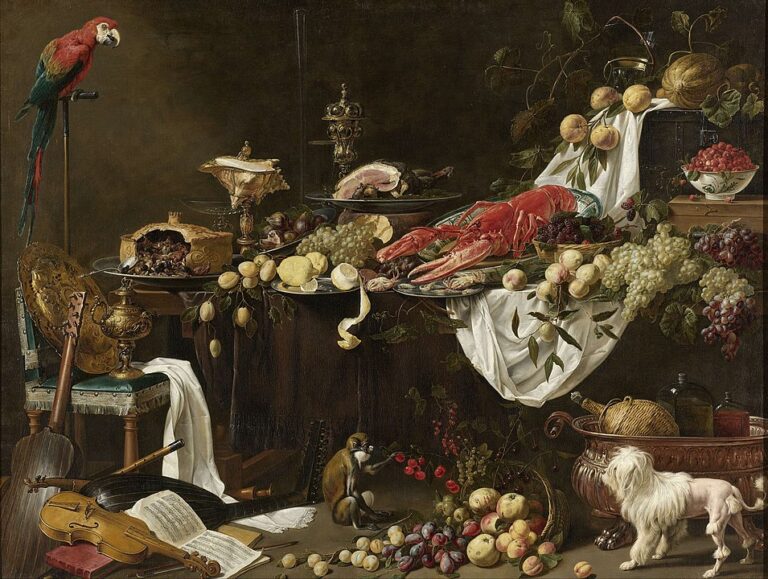
Reichl’s new memoir tells the story of a nation’s heyday and financial collapse, tracing the interconnection between food and money.
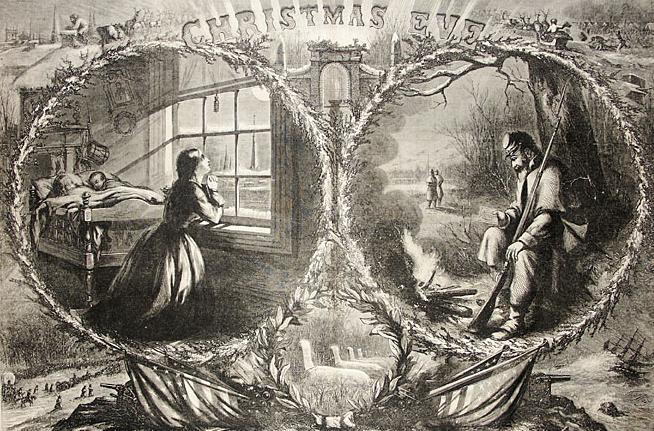
Christmas calls the sisters of Louisa May Alcott’s novel to reflect on their bonds with each other and their parents, and on the kinds of lives they want to lead.
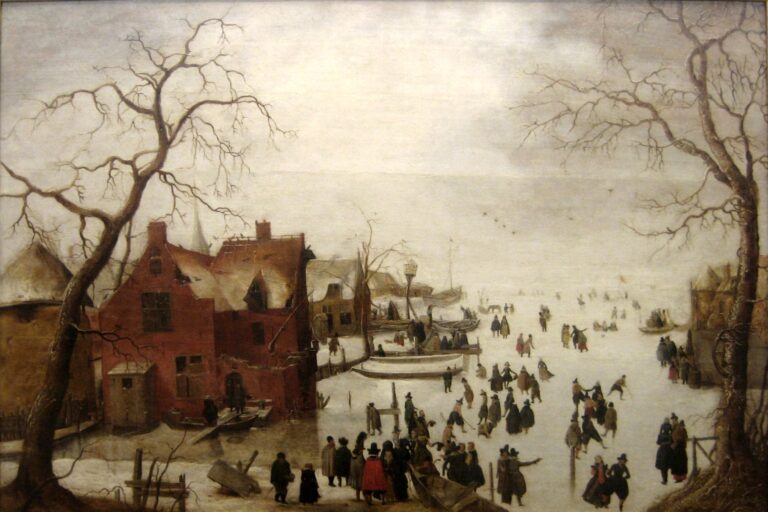
In poems by Margaret Atwood, Naomi Shihab Nye, and Robert Frost, we get a sense of the claustrophobia of winter without being overpowered by it.
No products in the cart.