The Power of Reading
For Ocean Vuong, Jesmyn Ward, and Jaquira Diaz, reading and writing became necessities early on when their classrooms, families, and streets confined them, left them feeling othered and uncertain of their identities.

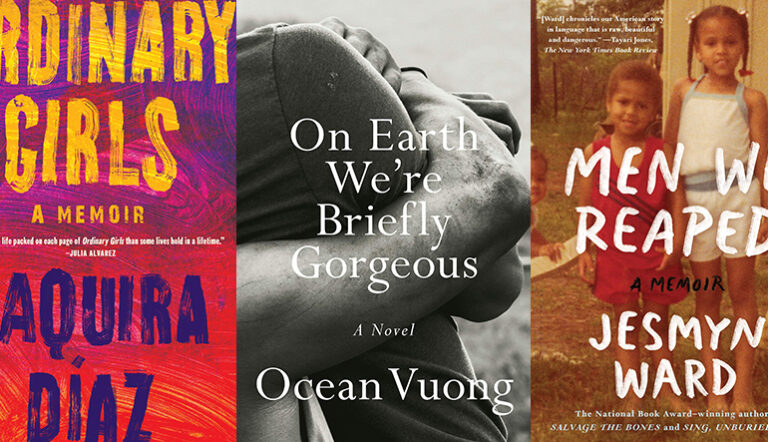
For Ocean Vuong, Jesmyn Ward, and Jaquira Diaz, reading and writing became necessities early on when their classrooms, families, and streets confined them, left them feeling othered and uncertain of their identities.
“It’s so important for survivors to choose when they come forward, and to have control over their stories. That’s why I wrote this book. Now, though, my story is a story for others. I’m giving up control, and that’s my decision.”
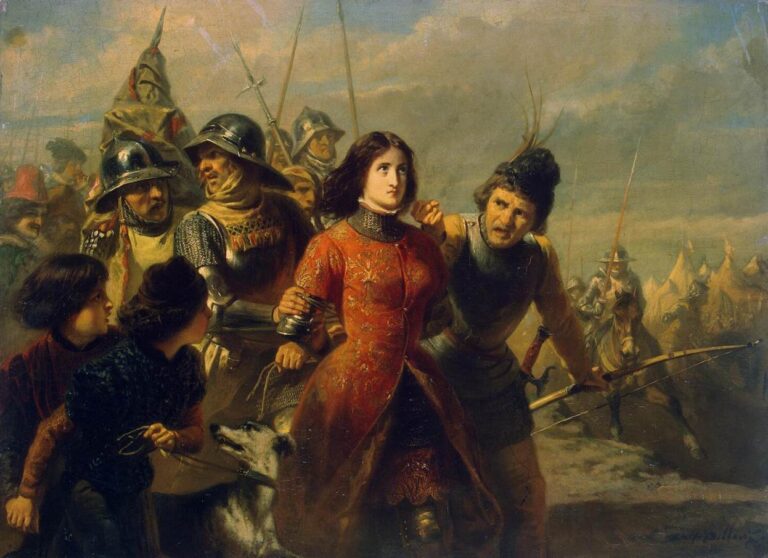
Before Lady Macbeth took center stage as Shakespeare’s leading femme fatale, the bard experimented with a number of scheming women, most notably in his first works: the trio of history plays covering the tumultuous reign of Henry VI.
In the wilds of associations that Howe’s poems produce, readers are sure to find both niches of rest and, simultaneously, calls to action.
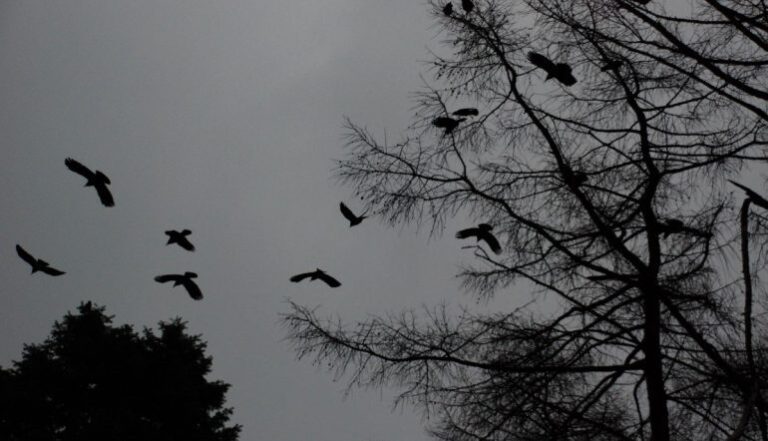
There is a part of King’s iconic novel that has been left out of both of its film chapters (as well as previous adaptations). And while I understand and agree with the filmmakers’ decision to leave it out, I admit I would be awed by anyone who attempted to put it on the screen.

Writing within the form of the novel yet against its western traditions, Bhattacharya’s presence in the international English literary sphere beckons the reader to look closer into the chaos.
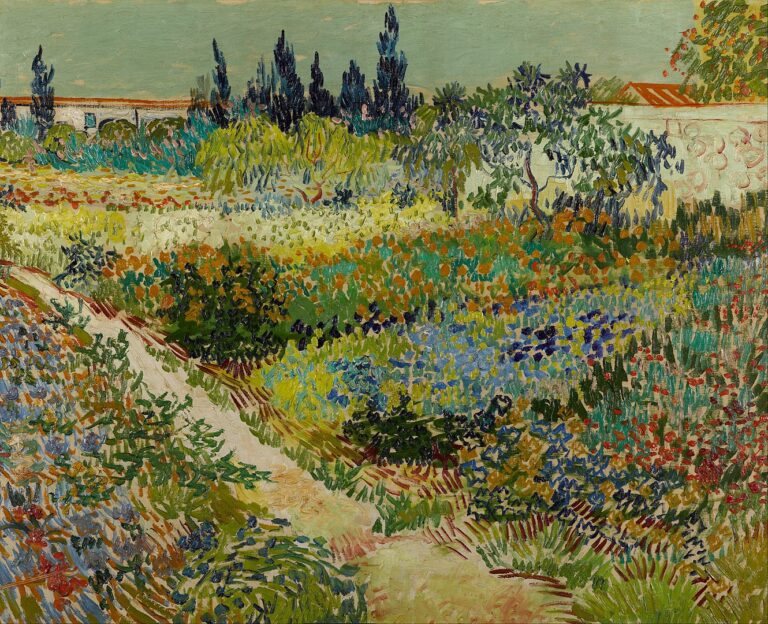
The gardens that compose Glück’s 1992 Pulitzer-winner collection feel at times too beautiful, too lush, to be real, if reality means possessing a terrestrial existence. But they are not exactly Edens: they are not in nor of heaven—at least not the heaven the gardener imagines.
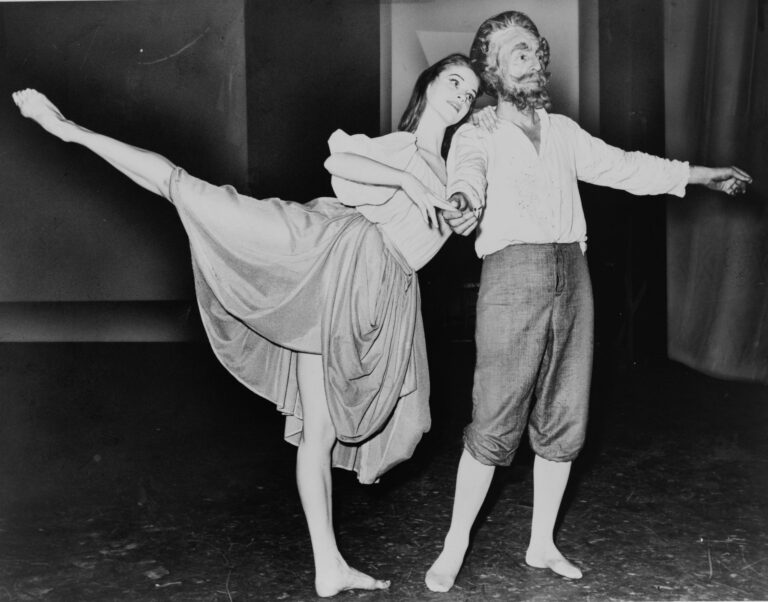
Two memoirs by famous twentieth century ballet dancers, Suzanne Farrell and Gelsey Kirkland, enter into the ballet canon women’s experiences working with George Balanchine, explaining not only how he saw them, but how they saw themselves.
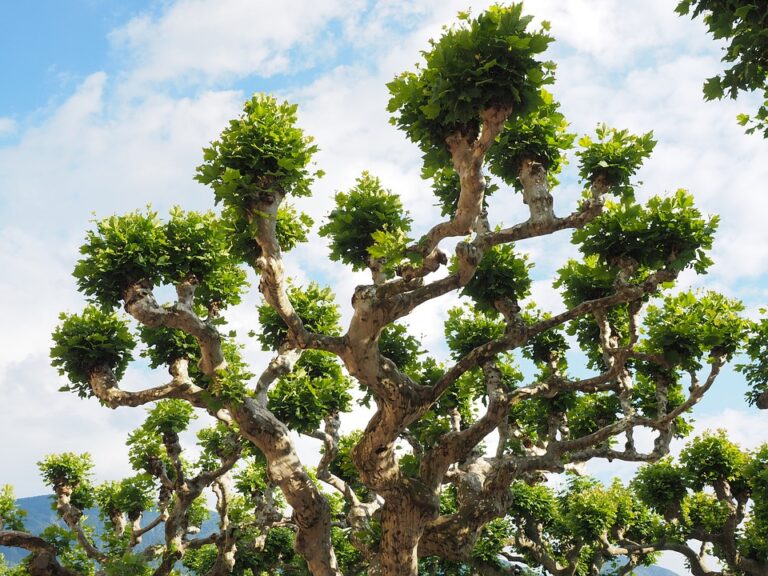
Kathy Fagan’s newest collection of poetry leans on its eponymous tree’s multi-colored, mottled trunks, its hefty size and spreading canopy, to provide a material figure for perseverance and resurrection, replacing those old images of “angel / wings of gold and mica.”
No products in the cart.