An Artist’s Journey in The American Painter Emma Dial
Samantha Peale’s 2010 novel opens with a celebrated painter standing alongside his regular, slightly awe-struck collectors, directing his assistant as she finishes a moody seascape for him.


Samantha Peale’s 2010 novel opens with a celebrated painter standing alongside his regular, slightly awe-struck collectors, directing his assistant as she finishes a moody seascape for him.
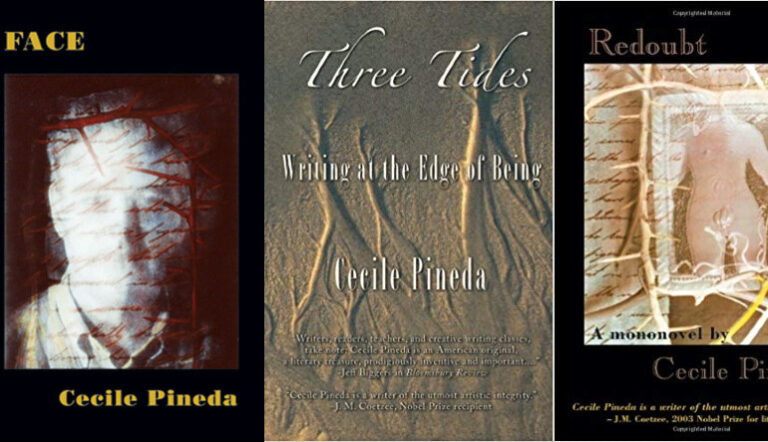
In the thirty-four years since Cecille Pineda’s debut novel was published, she has established herself as a writer and activist with a profound sensitivity to the lives and stories of those living at the world’s margins.
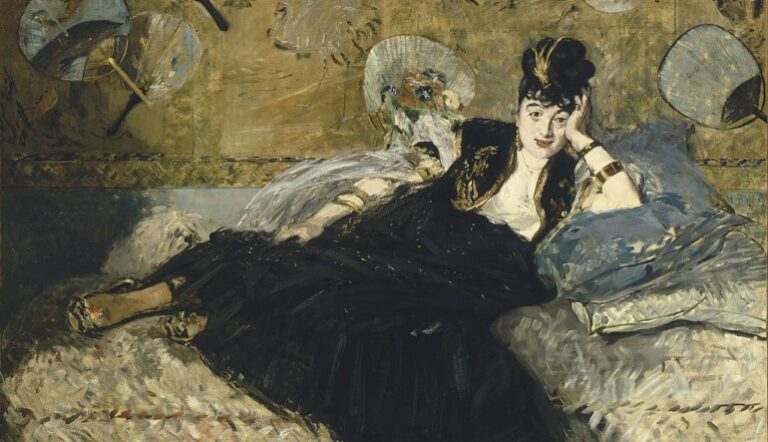
In amplifying the tension that lies between a woman’s internal language and her external one, novels by Claire-Louise Bennet and Sayaka Murata examine the woman living on the periphery of her society.

Albee believed deeply in education. He thought theatre’s job was to teach us something, and he carried that mission into other aspects of his life, like his exacting presence as a director, his occasional stints as an instructor, and his foundation, which offers time, space, and quiet to artists.

Mariateresa Di Lascia’s modern classic, which won the Strega Prize (the Italian equivalent of a Pulitzer)—but is only now forthcoming as an English translation—is incredibly pertinent to the way our society is grappling with how a woman’s life is often marked by an endless series of hidden indignities.

The South, to Emily Pease, is “beautiful and memory-rich, with a layer of dark.” The same could be said about her stories, though the layer of dark within is thick and permeates the whole—like the heat on an August day in the South, nothing is left untouched by it.
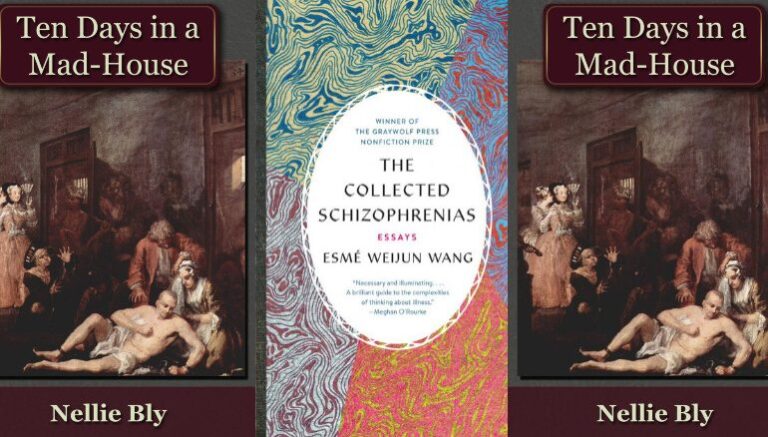
Anti-stigma work asks us to say, for example, that a person has schizophrenia, rather than is schizophrenic, so the person’s identity does not entirely merge with their condition. In a similar way, Esmé Weijun Wang’s essays move us firmly and resolutely away from the person as a hollowed, misshapen vessel.

The power structures under which we operate can mold and distort our memories, and potentially destroy our lives.

Forty years ago, a little-known British writer published a slim volume that went on, miraculously, to win the Booker Prize. Its lucid, almost stringent prose, coupled with its curious subject matter—the lives of houseboat dwellers living on the Thames—brought the work of Penelope Fitzgerald to wide attention.
No products in the cart.