Navigating Identity Across Continents in Vanessa A. Bee’s Home Bound
Vanessa A. Bee’s new memoir is story of an ambitious and bright young woman doing her best to navigate a complicated transcontinental existence.

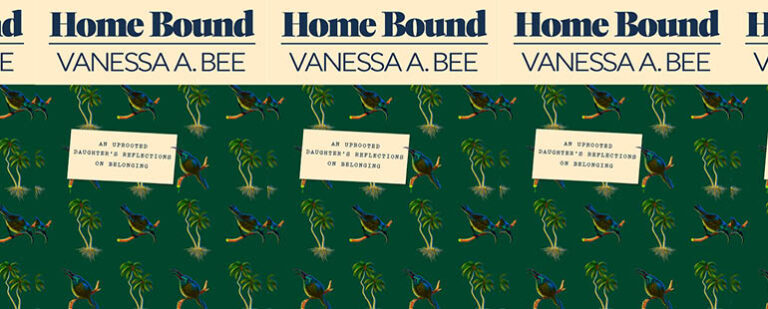
Vanessa A. Bee’s new memoir is story of an ambitious and bright young woman doing her best to navigate a complicated transcontinental existence.
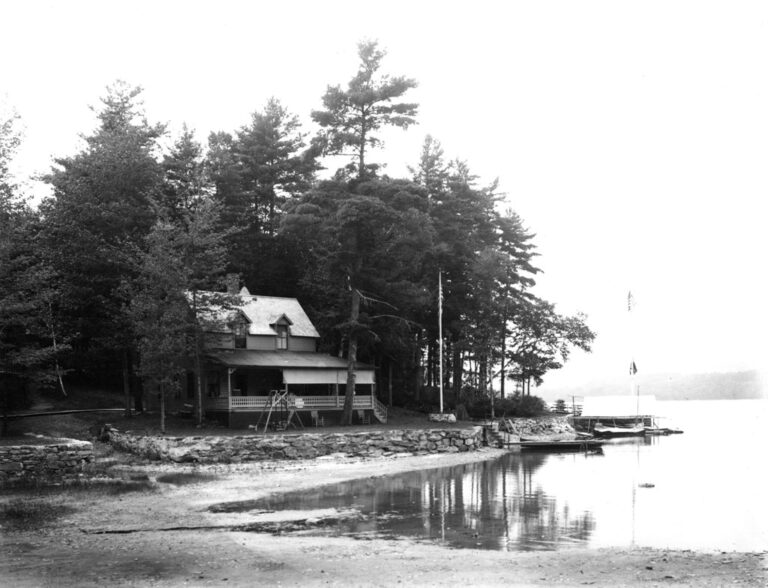
Haunted houses are liminal spaces by design, the boundary between life and afterlife blurred and the line between truth and imagination called into question within. But the most effective haunted houses in literature blur even more lines—between past and present, and memory and reality.
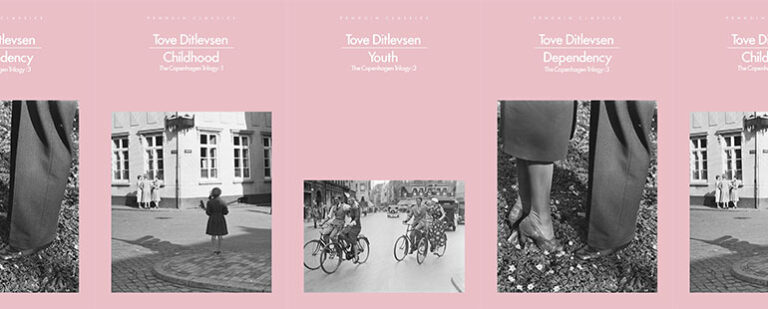
Devastatingly, Tove Ditlevsen’s three-part memoir suggests that acquiring a room of one’s own and becoming a successful writer does not preclude sharing the fate of one’s mother.
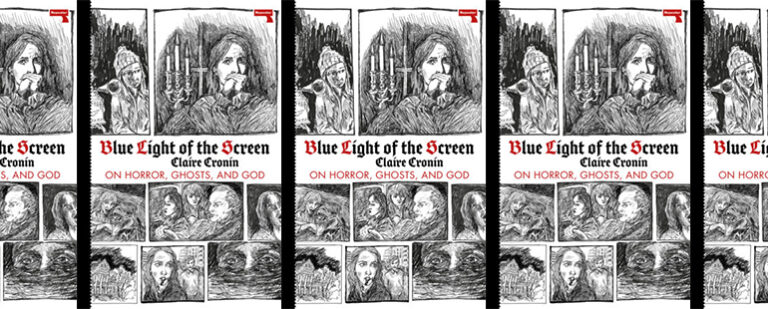
As Claire Cronin began writing about the horror movie, horror themes began to infiltrate her other work. She became both haunted by the subject matter and a haunting force within it. “I could not escape the spell,” Cronin writes, “and did not want to.”
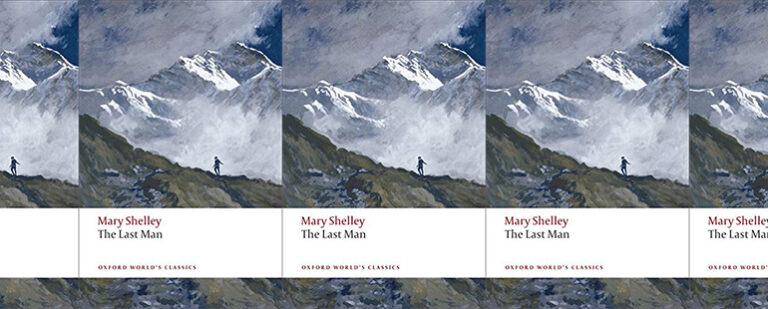
Deeply depressed and living in a Europe ravaged by war, famine, and cholera, Mary Wollstonecraft Shelley was inspired to write an eerily prescient novel chronicling the end of the world that manages somehow to be both bleak and hopeful. In the face of seemingly insurmountable tragedy, perhaps that is all we can do.
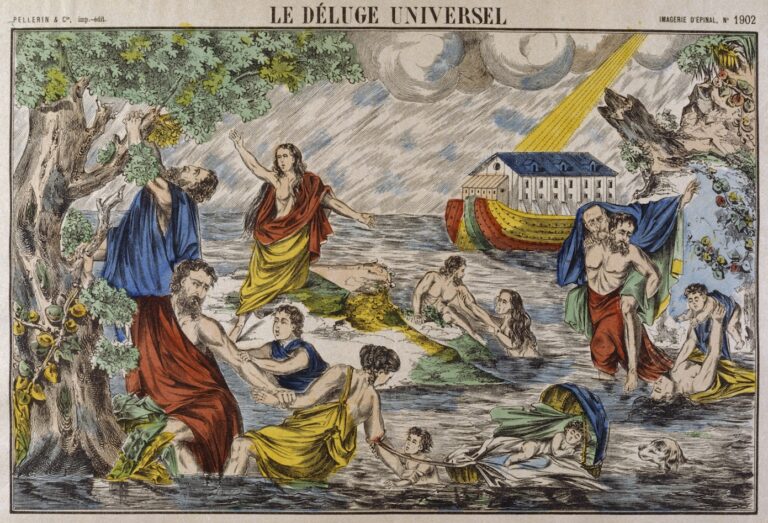
The coming climate apocalypse is an unsubtle thing. By couching it in a familiar structure, Lydia Millet invites us to grapple not with plot intricacies but with the very real grief over our own imminent loss—and, once the grief has subsided, to envision a world beyond the fall.
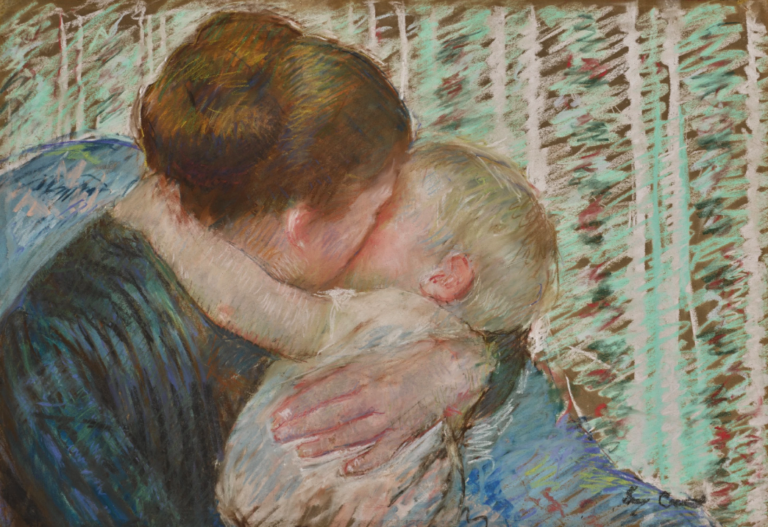
Stories by Megan Mayhew Bergman, Sarah Shun-lien Bynum, and Lorrie Moore portray mothers transformed by grief, their ideas of motherhood complicated by the crises that befall them.

Laura Larson’s 2018 book analyzes images of babies held still for pictures by their mothers, who remain cleverly disguised from the eye of the camera themselves. “These images remind me of dressing up as a ghost when I was a kid,” writes Larson, and she’s right.
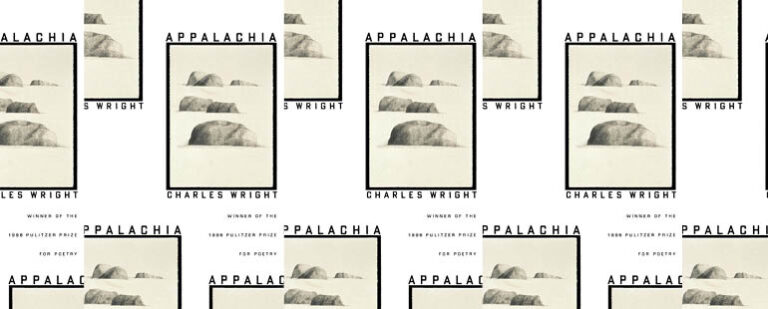
The landscape and the self and the God or the experience of spiritual longing and the reach for transformation are one and the same throughout Charles Wright’s 1998 poetry collection.
No products in the cart.